Pirataria OnlyFans: como funciona e como os criadores reagem
Uma visão interna de como a pirataria OnlyFans realmente se espalha e os criadores do manual usam para desmantelá-la sem se esgotar.
Neste artigo
A pirataria OnlyFans é uma economia paralela multibilionária construída sobre o conteúdo do criador, e a maioria dos criadores tem apenas uma imagem nebulosa de como ela realmente funciona. Conhecer a estrutura do ecossistema da pirataria torna a defesa muito mais eficiente: em vez de perseguir cada vazamento, os criadores podem atingir os pontos de estrangulamento que movimentam maior volume. A cadeia de abastecimento, desde a fuga inicial até à distribuição global, é previsível e repetível, o que significa que as contramedidas também o são. Este guia mapeia essa cadeia de fornecimento, detalha o DMCA e as ferramentas técnicas que reduzem significativamente o problema e descreve a postura de longo prazo que evita que a pirataria se agrave e se transforme em uma crise em tempo integral.
A anatomia de um vazamento do OnlyFans
Os vazamentos fluem através de um pipeline previsível que começa dentro da plataforma e termina em centenas de sites espelho. Compreender o pipeline informa onde aplicar pressão para obter o maior impacto, em vez de perseguir URLs individuais indefinidamente.
Do primeiro vazamento à distribuição global
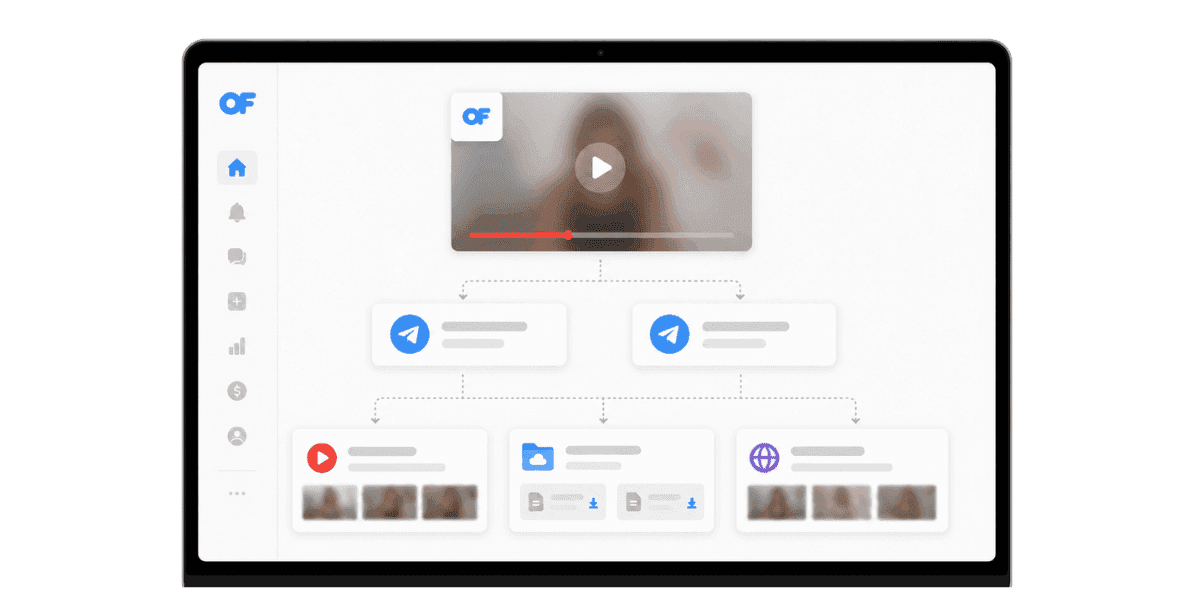
A maioria dos vazamentos começa com um assinante pagante que grava, captura de tela ou baixa conteúdo. Vazamentos internos de agências ou bate-papos são mais raros, mas mais prejudiciais porque expõem bibliotecas inteiras em vez de postagens únicas. A partir daí, o vazador faz upload para um agregador de alto volume; normalmente um canal Telegram, um servidor Discord ou um armário de arquivos. Em poucas horas, dezenas de canais secundários copiam e repassam o conteúdo. Sites de tubo, hosts de imagens e agregadores de pesquisa “OnlyFans leaks” indexam esse conteúdo agregador em um dia, e a indexação do Google e do Bing torna os vazamentos detectáveis para qualquer pessoa que pesquise o nome do criador. A cadeia completa, desde a captura de tela do assinante até o resultado da pesquisa indexada, pode ser concluída em menos de 48 horas para um criador de alto perfil. Visar a camada agregadora, em vez de URLs de sites de tubo individuais, reduz a maior distribuição downstream de uma só vez.
Quem pirateia apenas conteúdo de fãs e por quê
Os piratas não são um monólito. Diferentes intervenientes têm motivações diferentes, o que significa que diferentes contramedidas funcionam para diferentes camadas do ecossistema. Identificar incorretamente com qual tipo de pirataria você está lidando leva ao desperdício de esforço nos alvos errados.
Free Riders, piratas monetizados e assediadores direcionados
O maior grupo são usuários individuais que desejam conteúdo premium sem pagar. Eles impulsionam a demanda, mas raramente se organizam, e a remoção de seus canais de distribuição – hubs gratuitos do Telegram, sites de tubo – converte muitos deles em assinantes pagantes ao longo do tempo. Os piratas monetizados são um grupo menor, mas de maior alavancagem: operadores de sites pagos de “vazamentos OnlyFans” e canais premium do Telegram que administram negócios reais com servidores, publicidade e suporte ao cliente. A derrubada de sua infraestrutura quebra todas as camadas de distribuição downstream de uma só vez. A categoria mais perigosa são os assediadores direcionados que coordenam vazamentos combinados com doxxing ou conteúdo deepfake contra criadores específicos. Esta categoria requer ações de remoção e medidas de segurança pessoal. Os criadores visados desta forma precisam de uma resposta separada que vá além do DMCA;sendo doxado no OnlyFans requer sua própria sequência de etapas separadas das remoções de pirataria. O defesa de identidade camada aborda o lado da remoção de dados pessoais separadamente da remoção de conteúdo.
Como o DMCA realmente funciona contra a pirataria
Os avisos da DMCA são o carro-chefe da fiscalização antipirataria. Arquivados corretamente, eles acionam obrigações legais para os hosts que podem encerrar totalmente o conteúdo infrator. Arquivados de forma incorreta ou inconsistente, eles produzem resultados mínimos e desperdiçam um tempo significativo.
Avisos, desindexação de pesquisa e pressão de infraestrutura
Um aviso formatado corretamente força os hosts em conformidade a remover o conteúdo dentro de 24 a 72 horas ou correm o risco de perder a proteção do porto seguro. Os principais anfitriões dos EUA cumprem rapidamente; os anfitriões offshore variam, mas a maioria ainda responde à pressão consistente ao longo do tempo. A remoção de conteúdo da pesquisa costuma ser tão impactante quanto removê-lo da fonte: o Google e o Bing processam avisos DMCA que desindexam URLs específicos, tornando os vazamentos invisíveis para os pesquisadores, mesmo quando o arquivo host subjacente ainda existe. Para hosts offshore que ignoram totalmente os avisos, a resposta é escalar para a infraestrutura upstream: registradores de domínio, CDNs como Cloudflare e processadores de pagamento. A pressão sobre a infraestrutura de suporte fechou sites que se anunciavam como “à prova de DMCA”. O Solicitação de remoção DMCA O processo abrange as etapas corretas de formatação e arquivamento para cada tipo de plataforma.
Quebrando as metas de maior alavancagem
Ir atrás de URLs de vazamento individuais é uma tarefa árdua. Ir atrás de pontos de estrangulamento colapsa redes inteiras e produz resultados complexos que derrubadas individuais nunca alcançam.
Agregadores, sites de tubo e tópicos promocionais
Um punhado de mega-sites “OnlyFans leaks” e hubs do Telegram distribuem a maior parte do conteúdo vazado. Campanhas coordenadas de DMCA combinadas com processadores de pagamentos e relatórios de redes de anúncios encerraram várias delas nos últimos anos. A persistência é a variável chave: um aviso raramente fecha um site, mas uma campanha sustentada de 30 a 90 dias normalmente o faz. Cada grande site de vídeos possui categorias de vazamentos dedicadas que podem ser direcionadas por meio do próprio fluxo de remoção de conteúdo do site de vídeos e, em seguida, escaladas por meio do DMCA quando a plataforma demora para agir. A maioria dos sites de vazamento obtém tráfego de tópicos promocionais do Reddit e X/Twitter. Removendo essas postagens promocionais por meio de DMCA do Reddit e os fluxos de relatórios do X/Twitter privam os sites de vazamento de novos visitantes e reduzem sua superfície de descoberta mais rapidamente do que direcionar os sites diretamente.
Marca d'água e rastreamento forense
As remoções reativas aumentam linearmente com o volume de vazamentos. Os impedimentos aumentam exponencialmente porque alteram o cálculo de risco para cada assinante simultaneamente. A marca d'água é o impedimento de maior poder disponível para criadores individuais.
Marcas d'água visíveis, identificações forenses e limitações honestas
Marcas d'água visíveis com o nome do criador desencorajam a republicação casual, tornando o conteúdo imediatamente identificável como roubado. Marcas d'água invisíveis por fã, IDs esteganográficos incorporados em dados de pixel, vão além: permitem que os criadores rastreiem um vazamento específico até um assinante pagante específico, permitindo banimentos de contas, disputas de estornos e coleta de evidências para ações legais.Proteção de captura de tela OnlyFans estratégias funcionam junto com marcas d'água forenses para criar um impedimento em camadas. As marcas d'água não são invencíveis: a recompressão pesada e a edição agressiva podem degradar algumas implementações. Use-os como uma camada em uma defesa multicamadas, em vez de uma solução completa por si só.
Construir uma operação antipirataria sustentável
O trabalho antipirataria que acontece em explosões reativas produz resultados inconsistentes. Os criadores que tratam isso como uma operação recorrente com ciclos definidos veem melhorias crescentes trimestre após trimestre porque fecham mais canais de distribuição do que novos podem abrir.
Detecção em escala
A pesquisa manual no Telegram, sites de tubo, hosts de imagens e mecanismos de pesquisa não vai além de algumas horas por semana para um criador ativo. As ferramentas de monitoramento contínuo transformam a detecção em um recurso sempre ativo que detecta vazamentos em horas, em vez de semanas.Serviços profissionais antipirataria forneça exatamente isso; a diferença entre detectar um vazamento em 4 horas e em 4 semanas é a diferença entre centenas de visualizações e centenas de milhares.
Notificações modelo e arquivamento em massa
Modelos DMCA pré-preenchidos e fluxos de trabalho de arquivamento em massa reduzem significativamente o custo por aviso. Muitas plataformas, incluindo a ferramenta de remoção do Google, aceitam envios de vários URLs no estilo CSV. Construir esses modelos uma vez e reutilizá-los em cada ciclo de arquivamento transforma uma tarefa de duas horas em uma tarefa de vinte minutos.
Avaliações Trimestrais de Tendências
A cada 90 dias, analise a origem dos vazamentos, quais plataformas cresceram em volume e quais hubs foram neutralizados com sucesso. Ajustar as prioridades de monitorização para corresponder ao ecossistema atual e não ao do trimestre anterior. Os criadores que pularem esta revisão continuarão investindo esforços em plataformas que já foram limpas, enquanto novos canais de distribuição crescem sem controle.
Preços, quedas e outras defesas pré-vazamento
Várias decisões de estratégia de conteúdo reduzem o valor do material vazado antes mesmo que ele escape da plataforma. Combinadas, estas defesas pré-vazamento são indiscutivelmente mais impactantes do que qualquer campanha de remoção isolada, porque operam do lado da demanda e não do lado da oferta.
Preços diferenciados e PPV exclusivo
Quando o conteúdo de maior valor é bloqueado por desbloqueios PPV, em vez de incluído na assinatura básica, o material mais tentador de vazamento tem o menor público possível para vazar. Os assinantes que pagaram US$ 50 por um único desbloqueio de PPV têm uma estrutura de incentivos muito diferente dos assinantes que pagam US$ 5 pelo acesso a tudo.Preços OnlyFans decisões que protegem as receitas também reduzem naturalmente a exposição a vazamentos.
Conteúdo personalizado e por tempo limitado
Drops que expiram após um curto período de tempo, ou conteúdo personalizado direcionado a fãs específicos, são muito menos atraentes para a pirataria porque a versão vazada perde seu valor rapidamente. O frescor premium que faz com que valha a pena pagar pelo conteúdo exclusivo é exatamente o que faz com que as versões vazadas pareçam rebaixamentos em vez de substitutos.
Composição de marca e reputação
A defesa mais forte a longo prazo é o reconhecimento da marca. Quando fãs, mecanismos de busca e plataformas reconhecem você como o original canônico, os sites de vazamento tornam-se obviamente alternativas de qualidade inferior. Um plataforma de proteção de marca que monitora continuamente empurra o conteúdo infrator para fora da superfície de descoberta e reforça essa posição canônica ao longo do tempo.
Compreendendo e impedindo a pirataria OnlyFans
A pirataria OnlyFans não desaparecerá, mas pode ser gerenciada até um custo estável que não ameace os negócios do criador. A receita pode ser repetida: entenda a cadeia de suprimentos, mire nos pontos de estrangulamento, registre avisos DMCA consistentes, marque conteúdo de alto valor com marca d'água e trate a detecção como contínua em vez de episódica.
A maioria dos criadores que escapam da espiral da pirataria não trabalhou mais arduamente do que seus pares, eles trabalharam de maneira mais inteligente. Eles escolheram as batalhas certas, usaram as ferramentas certas e fizeram parceria com serviços criados exatamente para essa luta. Essa é a diferença entre a pirataria como uma crise permanente e a pirataria como um item administrável.
Pronto para proteger seu conteúdo valioso?Comece a proteger seu conteúdo com Enforcity.
Proteja Seu Conteúdo
- Detecção de vazamentos 24/7
- Remoções DMCA automatizadas
- Proteção específica para OnlyFans
- Alertas de monitoramento em tempo real
Perguntas Frequentes
Não encontrou a resposta?
Emily
Estrategista de Conteúdo Digital
Emily é uma especialista em proteção de conteúdo digital com mais de 5 anos de experiência ajudando criadores a proteger seu trabalho online. Ela é especializada em aplicação de DMCA e estratégias de remoção específicas por plataforma.
Proteja Seu Conteúdo
- Detecção de vazamentos 24/7
- Remoções DMCA automatizadas
- Proteção específica para OnlyFans
- Alertas de monitoramento em tempo real
Artigos Relacionados
Usar um segundo celular desbloqueado para OnlyFans: por que e como
Usar um segundo celular desbloqueado para OnlyFans separa o trabalho de criador da vida pessoal. Aqui está como configurar, o que instalar e como manter seguro.
Ler Publicação
«Detected, opinion rejected» no OnlyFans: o que significa e como resolver
«Detected, opinion rejected» no OnlyFans explicado: o que o erro significa, o que dispara, como recorrer e como evitar que o mesmo conteúdo seja marcado de novo.
Ler Publicação
Melhor serviço online de proteção de conteúdo para criadores do OnlyFans
Melhor serviço online de proteção de conteúdo para OnlyFans: o que olhar, principais recursos, modelos de preço e como escolher o parceiro antipirataria certo em 2026.
Ler PublicaçãoRecursos Gratuitos

Protegendo Seu Bem-Estar Mental
Essenciais de saúde mental para criadores de conteúdo.

Manual Definitivo para Criadores OnlyFans
Recurso completo para todos os aspectos do sucesso no OnlyFans.

Como Proteger Seu Conteúdo 🌶️?
Como proteger seu conteúdo digital em múltiplas plataformas.

Como Se Manter Seguro como Criador?
Dicas essenciais de segurança para criadores de conteúdo.

O Que Todo Criador Precisa Saber Sobre Seus Direitos?
Noções básicas legais e direitos para criadores.

Como Proteger Sua Criatividade?
Um guia essencial para criadores do OnlyFans.

Glossário para Criadores de Conteúdo
Termos-chave que todo criador de conteúdo deve conhecer.

Checklist de Segurança de Conteúdo para Lucro Máximo
Checklist para proteger conteúdo e otimizar ganhos.

Como Parar Vazamentos Instantaneamente?
Proteja seu trabalho, assuma o controle e evite compartilhamento não autorizado em todas as plataformas instantaneamente.