Detecção de Deepfake para criadores de conteúdo OnlyFans
Qual detecção de deepfake realmente funciona para criadores de OnlyFans; ferramentas, verificações manuais e o fluxo de trabalho de detecção correto.
Neste artigo
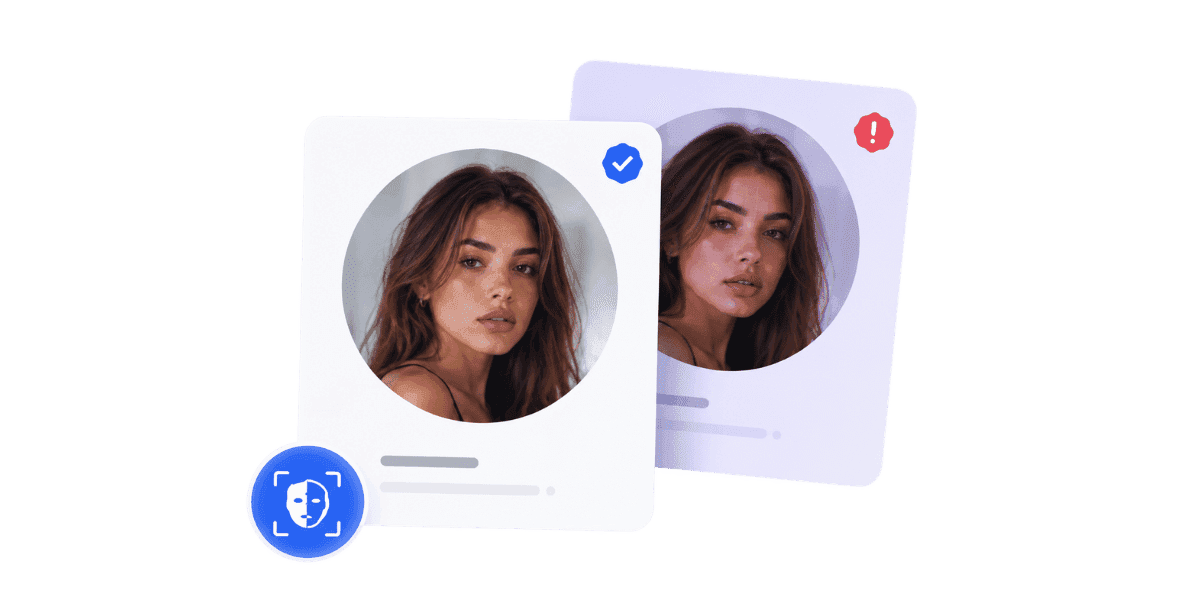
A detecção de deepfake para criadores de OnlyFans tornou-se um requisito operacional prático, em vez de uma preocupação teórica. As ferramentas de geração ultrapassaram um limite de qualidade entre 2024 e 2026, em que as falsificações são convincentes o suficiente para prejudicar a reputação de um criador, gerar receitas fraudulentas e complicar as reivindicações de proteção de conteúdo. A realidade é que nenhuma ferramenta de detecção é perfeita, mas uma combinação de detectores automatizados, verificações visuais manuais, fluxos de trabalho de pesquisa reversa de imagens e monitoramento contínuo detecta a grande maioria das falsificações poucos dias após o upload. Este guia detalha as ferramentas de detecção que realmente funcionam, as dicas manuais que ainda revelam a maioria das falsificações, como configurar um fluxo de trabalho de monitoramento sustentável, quando escalar para uma ação legal ou de plataforma e como a detecção se enquadra em uma estratégia mais ampla de proteção ao criador.
Por que a detecção é mais importante do que nunca
A detecção de deepfake para criadores de OnlyFans tornou-se mais urgente à medida que a qualidade da geração ultrapassou vários limites de qualidade nos últimos dois anos. Os recursos de detecção não mantiveram o mesmo ritmo, mas ferramentas e hábitos específicos ainda produzem proteção real para criadores que os aplicam de forma consistente.
Qualidade da geração e por que os criadores são visados
Ferramentas de troca de rosto de código aberto, incluindo DeepFaceLab, FaceFusion e SimSwap, além de um número crescente de serviços comerciais, agora produzem falsificações convincentes em menos de uma hora a partir de um punhado de fotos originais. Os criadores do OnlyFans são especificamente direcionados porque possuem muitas fotos de rostos públicos nas páginas de visualização do Instagram, TikTok e OnlyFans, que servem como matéria-prima para treinamento e geração. As bases de assinantes que buscam ativamente conteúdo vazado ou exclusivo criam o lado da demanda do mercado.Deepfakes de troca de rosto em OnlyFans muitas vezes se tornam ataques direcionados quando conteúdo falso é criado em torno das fotos, do nome ou do público de um criador específico.
O que a detecção realmente compra para você
A detecção não impede a criação de falsificações; determina a rapidez com que são removidos e quanto dano causam antes da remoção. A detecção rápida permite remoções rápidas, apoia ações legais contra infratores reincidentes e limita a janela na qual uma falsificação pode ser compartilhada de forma ampla o suficiente para se tornar um problema de reputação.
Ferramentas automatizadas de detecção de Deepfake
Várias ferramentas comerciais e de pesquisa fornecem detecção automatizada de deepfakes. Nenhum é perfeito, e combinar dois ou três produz resultados significativamente melhores do que depender de uma única ferramenta. O cenário muda rapidamente à medida que surgem técnicas de nova geração, portanto, as ferramentas que funcionam bem hoje podem precisar ser complementadas dentro de um ano.
Ferramentas Comerciais: Sensity e Deepware Scanner
Sensity é uma plataforma de detecção de deepfake focada em empresas com alta precisão em padrões comuns de troca de rosto. É caro para criadores individuais como uma assinatura independente, mas acessível por meio de alguns serviços de proteção de conteúdo que agrupam varreduras do Sensity em sua oferta de monitoramento. Deepware Scanner é uma ferramenta gratuita com precisão razoável em formatos comuns de faceswap; funciona bem como uma verificação rápida de conteúdo suspeito, mas tem cobertura limitada contra as técnicas de geração mais recente. Detectores de nível de pesquisa do MIT Media Lab, Berkeley e instituições semelhantes às vezes são publicados publicamente, com precisão variável e usabilidade muitas vezes limitada para criadores não técnicos.
Detecção agrupada em serviços de proteção de conteúdo
A configuração mais prática para a maioria dos criadores não é gerenciar ferramentas de detecção individuais, mas usar serviços profissionais antipirataria que agora incluem detecção de deepfake junto com monitoramento de conteúdo. A abordagem integrada elimina a necessidade de manter assinaturas de ferramentas separadas e mantém a detecção atualizada à medida que as técnicas de geração evoluem. Isso também significa que alertas e registros de remoção acontecem por meio de um único fluxo de trabalho, em vez de exigir que o criador coordene manualmente a saída de detecção e as ferramentas de arquivamento.
Dicas visuais manuais que ainda detectam falsificações
Apesar das melhorias na qualidade do deepfake, vários sinais visuais ainda expõem a maioria das falsificações, especialmente em níveis de zoom mais elevados ou em conteúdo de vídeo com movimento. Treinar-se para identificar essas dicas torna a revisão manual mais rápida e confiável.
Cabelo, olhos e artefatos de pele
Os modelos Faceswap freqüentemente produzem desalinhamentos sutis na linha do cabelo, nas bordas das orelhas e na linha do queixo. Procure tons de pele levemente desbotados nas bordas, transições borradas ou cabelos que não combinam naturalmente com o rosto trocado. Os olhos gerados geralmente apresentam reflexos especulares não naturais, pupilas ligeiramente incompatíveis ou detalhes inconsistentes da íris. Comparar os dois olhos no mesmo quadro é uma das verificações manuais mais rápidas: os olhos naturais compartilham padrões de iluminação e reflexão, enquanto os olhos gerados divergem frequentemente. A pele genuína tem detalhes naturais de poros, sardas e imperfeições sutis que muitas vezes faltam na pele gerada por deepfake.
Movimento da Cabeça e Oclusão
Quando o sujeito gira ou cobre parcialmente o rosto, os deepfakes frequentemente piscam, distorcem ou falham completamente nos pontos de transição. Fotos estáticas são significativamente mais fáceis de falsificar de forma convincente do que vídeos com movimento natural. Ao revisar o conteúdo do vídeo em busca de sinais deepfake, procure quadros em que o rosto esteja inclinado ou parcialmente ocluído e verifique se o tom da pele, a qualidade das bordas e os reflexos dos olhos permanecem consistentes durante o movimento. Esses quadros de transição são onde a maioria das falsificações se revela.
Fluxos de trabalho de pesquisa reversa de imagens
A pesquisa reversa de imagens é a ferramenta de detecção mais acessível disponível para qualquer criador e funciona independentemente de o conteúdo em questão ser um deepfake ou uma foto real roubada. Construir um hábito consistente de pesquisa reversa detecta uma grande parcela de usos não autorizados antes que eles se espalhem amplamente.
PimEyes para pesquisa facial
PimEyes é especializado em pesquisa de imagens faciais na web e é a ferramenta mais poderosa especificamente para encontrar usos não autorizados da imagem de um criador, incluindo falsificações que incorporam seu rosto. O nível gratuito apresenta um subconjunto útil de resultados; os níveis pagos são mais abrangentes e compensam o custo para criadores com perfis públicos significativos. Compreensão como OnlyFans protege sua identidade no nível da plataforma ajuda a identificar quais vetores de exposição precisam ser monitorados separadamente do que o PimEyes cobre.
Imagens do Google, TinEye e auditorias trimestrais
O Google Images e o TinEye cobrem conteúdo mais amplo da web e capturam cópias diretas e quase cópias de fotos. Eles são úteis para encontrar sites de vazamento e perfis de imitadores que usam imagens reais ou deepfaked. Agende uma auditoria trimestral de 30 minutos: execute pesquisas reversas de imagens em cinco a dez de suas fotos promocionais mais compartilhadas e resultados de correspondência de padrões para identificar sites de vazamento e canais de distribuição baseados em deepfake. Isso leva um tempo mínimo e cria uma linha de base que torna as novas aparências visíveis quando elas ocorrem.
Monitorização contínua vs. verificações pontuais
As verificações únicas não detectam a maioria das falsificações porque os deepfakes se espalham rapidamente e desaparecem no ecossistema de vazamento mais amplo em poucos dias. O monitoramento contínuo é a base operacional para criadores que desejam que a detecção realmente limite os danos, em vez de apenas documentá-los após o fato.
O que o monitoramento contínuo cobre
O monitoramento contínuo executa varreduras diárias em sites de vídeos, armários de arquivos, canais do Telegram e resultados de pesquisa em busca de novas aparições do rosto de um criador, sejam elas reais ou geradas. Profissional Serviços de proteção de conteúdo OnlyFans inclua esse recurso de detecção junto com o monitoramento DMCA padrão. Serviços de monitoramento eficazes alertam horas após uma nova correspondência facial; o criador analisa o alerta, confirma se é um deepfake ou um vazamento real e o serviço envia o aviso de remoção apropriado.
Fluxos de trabalho de alerta e análise de tendências
O ciclo completo normalmente leva minutos por incidente, em vez das horas exigidas pela revisão e arquivamento manual. Com o tempo, os dados de monitoramento revelam quais plataformas hospedam mais falsificações, quais padrões de geração são tendências e se infratores reincidentes específicos têm como alvo um determinado criador. Essa inteligência informa as decisões de escalonamento e ajuda a priorizar os esforços de remoção onde o alcance do público e o impacto na receita são maiores.
Agir após a deteção
A detecção só produz valor se a ação ocorrer rapidamente. O caminho de escalada correto depende da distribuição da falsificação, da plataforma que a hospeda e do padrão mais amplo de ameaça do ator por trás dela.
Relatórios DMCA e NCII
Para falsificações que incorporam fotos faciais protegidas por direitos autorais, envie avisos DMCA ao host junto com as solicitações de desindexação do mecanismo de pesquisa.Remoção de DMCA de OnlyFans O processo abrange as etapas de formatação e arquivamento de avisos para cada tipo de plataforma. Para uma visão mais ampla de como o DMCA funciona especificamente para criadores adultos,Relatórios DMCA para criadores de OnlyFans abrange todo o fluxo de trabalho de arquivamento e escalonamento. A maioria das principais plataformas também possui políticas explícitas de imagens íntimas não consensuais que cobrem especificamente deepfakes. Os relatórios sob as políticas NCII geralmente produzem uma remoção mais rápida do que apenas as reivindicações de direitos autorais, porque a plataforma pode agir unilateralmente sem as idas e vindas legais que o DMCA às vezes desencadeia. Use ambos em paralelo para obter resultados mais rápidos.
Encaminhamento legal para infratores reincidentes
Quando o mesmo ator produz múltiplas falsificações, vale a pena considerar a escalada legal. Cartas de cessação e desistência, ações civis e queixas criminais em jurisdições que promulgaram leis específicas contra falsificações tornam-se opções. A direita Aviso legal OnlyFans depende do tipo de dano, das evidências disponíveis e se o caso precisa de uma escalada formal. Muitas jurisdições agora tratam a distribuição não consensual de deepfakes como uma questão criminal, o que altera significativamente o kit de ferramentas de resposta disponível em comparação com o roubo de conteúdo padrão. Documentar cada instância com carimbos de data/hora, URLs e evidências de distribuição é essencial antes de abordar um advogado.
Reduzindo sua exposição daqui para frente
A detecção melhora os resultados após a existência de falsificações; reduzir a exposição diminui a frequência com que eles são criados. Alguns hábitos específicos diminuem significativamente a matéria-prima disponível para os invasores.
Gerencie sua pegada fotográfica de rosto público
Limite conjuntos de fotos faciais de altíssima resolução nas redes sociais públicas. Varie ângulos, expressões e iluminação nas fotos promocionais para que qualquer sessão de uma única geração tenha mais diversidade visual para lidar, o que reduz a qualidade da saída. Marca d'água em conteúdo promocional onde a perda de qualidade é aceitável. Tatuagens únicas, cicatrizes, padrões de sardas ou outros marcadores de identificação são difíceis para os geradores de deepfake replicarem consistentemente em vários quadros, o que torna as falsificações mais fáceis de identificar na inspeção.
Marca d'água forense em conteúdo premium
Marcas d'água invisíveis por fã em conteúdo premium identificam quais assinantes vazam material que poderia se tornar dados de treinamento para uma campanha deepfake direcionada. Combinar marca d'água com dissuasão de captura de tela significa que, mesmo que um assinante vaze conteúdo, a fonte é rastreável e o pipeline de dados de treinamento para um ataque deepfake direcionado é interrompido. Juntas, as duas camadas reduzem o risco de o conteúdo premium de um criador ser reaproveitado para geração sem o seu conhecimento.
Detectando e interrompendo Deepfakes no OnlyFans
A detecção de Deepfake para criadores de OnlyFans é uma operação em camadas: ferramentas de detecção automatizadas, revisão visual manual, fluxos de trabalho de pesquisa reversa de imagens, monitoramento contínuo e escalonamento rápido por meio de DMCA e canais de abuso de plataforma. Nenhuma ferramenta captura tudo, mas a combinação reduz o impacto das falsificações, de uma ameaça catastrófica a um item de linha gerenciável.
Se você estiver executando apenas a detecção manual, atualizar para um serviço de proteção de conteúdo que inclua monitoramento de deepfake geralmente é a mudança de maior aproveitamento disponível. Detecção, remoção rápida e higiene de imagem disciplinada é o que mantém os criadores à frente da tecnologia de geração.
Pronto para proteger seu conteúdo valioso?Comece a proteger seu conteúdo com Enforcity.
Proteja Seu Conteúdo
- Detecção de vazamentos 24/7
- Remoções DMCA automatizadas
- Proteção específica para OnlyFans
- Alertas de monitoramento em tempo real
Perguntas Frequentes
Não encontrou a resposta?
Emily
Estrategista de Conteúdo Digital
Emily é uma especialista em proteção de conteúdo digital com mais de 5 anos de experiência ajudando criadores a proteger seu trabalho online. Ela é especializada em aplicação de DMCA e estratégias de remoção específicas por plataforma.
Proteja Seu Conteúdo
- Detecção de vazamentos 24/7
- Remoções DMCA automatizadas
- Proteção específica para OnlyFans
- Alertas de monitoramento em tempo real
Artigos Relacionados
Usar um segundo celular desbloqueado para OnlyFans: por que e como
Usar um segundo celular desbloqueado para OnlyFans separa o trabalho de criador da vida pessoal. Aqui está como configurar, o que instalar e como manter seguro.
Ler Publicação
«Detected, opinion rejected» no OnlyFans: o que significa e como resolver
«Detected, opinion rejected» no OnlyFans explicado: o que o erro significa, o que dispara, como recorrer e como evitar que o mesmo conteúdo seja marcado de novo.
Ler Publicação
Melhor serviço online de proteção de conteúdo para criadores do OnlyFans
Melhor serviço online de proteção de conteúdo para OnlyFans: o que olhar, principais recursos, modelos de preço e como escolher o parceiro antipirataria certo em 2026.
Ler PublicaçãoRecursos Gratuitos

Protegendo Seu Bem-Estar Mental
Essenciais de saúde mental para criadores de conteúdo.

Manual Definitivo para Criadores OnlyFans
Recurso completo para todos os aspectos do sucesso no OnlyFans.

Como Proteger Seu Conteúdo 🌶️?
Como proteger seu conteúdo digital em múltiplas plataformas.
Como Se Manter Seguro como Criador?
Dicas essenciais de segurança para criadores de conteúdo.

O Que Todo Criador Precisa Saber Sobre Seus Direitos?
Noções básicas legais e direitos para criadores.

Como Proteger Sua Criatividade?
Um guia essencial para criadores do OnlyFans.

Glossário para Criadores de Conteúdo
Termos-chave que todo criador de conteúdo deve conhecer.

Checklist de Segurança de Conteúdo para Lucro Máximo
Checklist para proteger conteúdo e otimizar ganhos.

Como Parar Vazamentos Instantaneamente?
Proteja seu trabalho, assuma o controle e evite compartilhamento não autorizado em todas as plataformas instantaneamente.