DRM vs DMCA: ¿Cuál es la diferencia y cuál protege a los creadores?
DRM y DMCA resuelven diferentes problemas para los creadores de contenido. Aquí se explica cómo funciona cada uno y cuándo usarlos juntos.
En este artículo
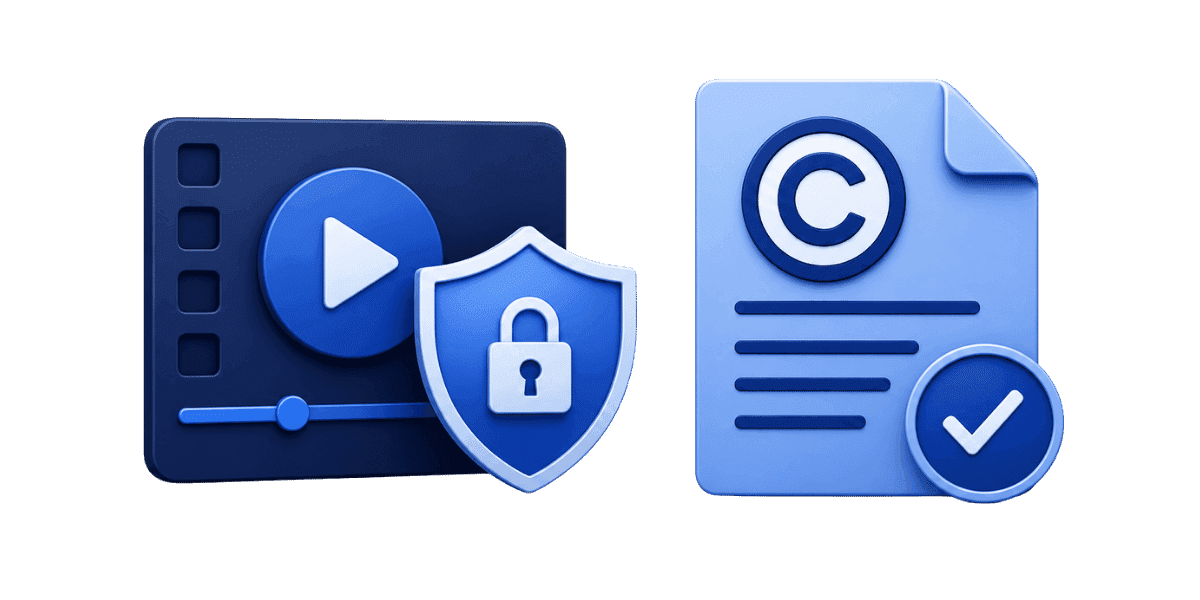
DRM y DMCA son dos de las siglas más comunes en protección de creadores y resuelven problemas completamente diferentes. DRM es un conjunto de controles técnicos que restringen la forma en que se accede al contenido; DMCA es un marco legal estadounidense que brinda a los creadores herramientas para eliminar copias infractoras una vez que existen. Tratarlos como alternativas es el error más común que cometen los creadores al diseñar una estrategia de protección. La distinción es importante en la práctica: un creador que invierte sólo en DRM no tiene ninguna herramienta para el contenido que ya se ha escapado, y un creador que confía sólo en DMCA está constantemente limpiando filtraciones que una mejor fricción habría evitado. Esta guía desglosa lo que hace cada uno, dónde divergen, cómo trabajan juntos y cómo priorizarlos dependiendo de dónde se encuentre en su viaje de protección.
Qué hace realmente DRM
DRM es preventivo: intenta detener la copia no autorizada antes de que ocurra controlando el acceso en la capa técnica. El objetivo es coherente en todas las plataformas; Mantenga el contenido dentro de la pared el mayor tiempo posible.
DRM en OnlyFans y sus límites
OnlyFans usa DRM limitado: la descarga está deshabilitada en la mayoría del contenido, las capturas de pantalla se pueden detectar en el móvil en algunos casos y se pueden agregar marcas de agua a los lanzamientos de PPV. Estas medidas frenan a los filtradores ocasionales, pero no detienen a los piratas decididos con herramientas de grabación de pantalla. Ningún DRM es irrompible. El agujero analógico, que apunta una cámara a una pantalla, anula todas las protecciones digitales jamás inventadas. La forma correcta de pensar en DRM es como una fricción en lugar de una barrera. La fricción reduce significativamente la copia casual; no elimina la piratería motivada. El desglose completo de cómo Solo DRM Los trabajos a nivel de plataforma cubren los controles específicos disponibles y sus límites prácticos.
Compensaciones de DRM
El DRM agresivo puede hacer que sea más difícil disfrutar del contenido legítimo: carga más lenta, funciones restringidas o reproducción interrumpida en algunos dispositivos. Los creadores adultos deben equilibrar la protección con la experiencia premium perfecta que pagan los suscriptores. No todas las plataformas implementan DRM al mismo nivel. Patreon y Fansly son más débiles que OnlyFans, mientras que algunas plataformas de tubos premium son más fuertes. Los creadores de publicaciones cruzadas deben planificar el eslabón más débil de su cadena de distribución. Cíñete al DRM nativo de cada plataforma en lugar de envoltorios de protección de terceros que pueden romper la compatibilidad.
Qué hace realmente la DMCA
DMCA es reactiva: brinda a los creadores un procedimiento legal para eliminar las copias infractoras una vez que aparecen. La ley ha estado vigente desde 1998 y sigue siendo la columna vertebral de la aplicación del contenido en línea para los creadores de todo el mundo.
El procedimiento de notificación y eliminación
Los creadores envían un aviso de DMCA al anfitrión del contenido infractor. El anfitrión debe eliminar el contenido rápidamente o correr el riesgo de perder la protección de puerto seguro y heredar la responsabilidad de los derechos de autor.Informes DMCA para creadores de OnlyFans La guía cubre en detalle el proceso completo de presentación y escalamiento de notificaciones. DMCA no impide la copia original, no elimina el contenido de los servidores fuera de los EE. UU. que deciden ignorarlo y no impide que un pirata vuelva a cargarlo inmediatamente después de la eliminación. Es limpieza, no prevención. La Directiva de derechos de autor de la UE y la Ley de derechos de autor digitales del Reino Unido ofrecen mecanismos similares, y la mayoría de las principales plataformas globales responden a los avisos con formato DMCA independientemente de su jurisdicción porque quieren mantener una protección de puerto seguro en los mercados donde operan. El contexto completo de lo que significa la protección de los derechos de autor para los creadores, incluido lo que está cubierto y lo que no, se encuentra en derechos de autor en OnlyFans guía.
Compensaciones y limitaciones de la DMCA
Incluso los avisos de la DMCA bien presentados tardan entre 24 y 72 horas en surtir efecto. Durante ese período, el contenido puede difundirse ampliamente, razón por la cual el monitoreo continuo que acorta el tiempo de detección es tan importante como el archivo en sí. Algunos servidores extranjeros ignoran por completo la DMCA; la respuesta correcta es ejercer presión sobre su infraestructura de soporte, incluidas las CDN, los registradores y los procesadores de pagos. Profesional servicios antipiratería absorber esta complejidad para los creadores que no quieren gestionarla ellos mismos. A veces, los piratas presentan contranotificaciones de mala fe para retrasar la eliminación, lo que requiere conocimiento legal para manejarlo correctamente.
Cómo funcionan juntos DRM y DMCA
DRM y DMCA no son rivales. Cubren diferentes partes del ciclo de vida de la protección y los mejores programas de protección utilizan ambas además de varias herramientas adyacentes.
DRM como prevención, DMCA como limpieza
DRM reduce la velocidad a la que se escapa el contenido. Cada suscriptor casual que habría grabado y compartido la pantalla pero encuentra una marca de agua y un bloqueo de descarga es una filtración que se evita por completo. Los aspectos económicos son significativos: una reducción del 50% en las fugas iniciales reduce a la mitad la carga de trabajo de eliminación de la DMCA. Cuando el contenido se escapa, y algunos siempre lo harán; DMCA lo elimina. Las dos capas combinadas producen resultados dramáticamente mejores que cualquiera de ellas por separado.Protección de contenido de OnlyFans Los servicios que combinan ambas capas suelen experimentar mejoras cada trimestre a medida que el ciclo de seguimiento y presentación se estrecha.
Marca de agua forense como puente
Las marcas de agua invisibles por ventilador se encuentran en la intersección de DRM y DMCA. Son técnicamente adyacentes a DRM, pero son más útiles para hacer cumplir la DMCA: identifican qué suscriptor filtró contenido, permiten prohibiciones de cuentas, disputas de devolución de cargos y pruebas contundentes para acciones legales. La marca de agua también disuade las filtraciones en primer lugar porque los suscriptores que saben que su copia está etiquetada de forma única realizan un cálculo de riesgo diferente que aquellos que creen que su copia es anónima. La mayoría de las configuraciones de protección de contenidos profesionales tratan las marcas de agua como una política permanente y no como una medida reactiva.
¿A cuál deberían priorizar primero los creadores?
Para la mayoría de los creadores adultos, la priorización es clara, pero depende de dónde se encuentre en su viaje de protección y de lo que se esté filtrando actualmente.
Empezar frente a creadores establecidos
Si recién está comenzando, use cualquier DRM que su plataforma proporcione de forma predeterminada y concentre sus primeros 90 días en una práctica estructurada de DMCA, ya sea manualmente o mediante un servicio. La limpieza de fugas existentes genera un impacto en los ingresos más inmediato que las actualizaciones incrementales de DRM. Si es un creador establecido, combine el DRM nativo de la plataforma con marcas de agua por fan y un servicio DMCA continuo. El rendimiento marginal de cualquier capa es decente; la defensa en capas es lo que se agrava con el tiempo. Documente cada caso con marcas de tiempo, URL y evidencia de plataforma antes de acudir a un abogado. El patrón de ataques repetidos se convierte en sí mismo en el argumento más fuerte en cualquier acción civil.
Cuando estás siendo fuertemente atacado
Cuando un creador está siendo fuertemente atacado, agregue una escalada legal junto con las capas técnicas y procesales. Las presentaciones continuas de DMCA combinadas con marcas de agua por fan, identificación de infractores reincidentes y acciones civiles selectivas crean un costo real para los piratas que las solicitudes de eliminación ad hoc no generan. En este nivel, vale la pena invertir en trabajar con un abogado que comprenda los derechos de los creadores de contenido.
Conceptos erróneos comunes sobre DRM y DMCA
Algunos mitos persistentes confunden a los creadores sobre cómo funcionan realmente estas herramientas. Limpiarlos ahorra dinero y esfuerzo desperdiciado.
"DRM detendrá por completo la piratería"
No lo será. DRM aumenta el costo de la piratería ocasional y reduce la velocidad de filtración, pero los piratas motivados siempre encuentran la manera. Planifique tanto el DRM como el trabajo de eliminación posterior a la filtración.
"DMCA sólo funciona en EE. UU."
Funcionalmente falso. Las principales plataformas globales (Reino Unido, UE e incluso la mayoría de los servidores asiáticos) responden a avisos estilo DMCA porque quieren mantener un puerto seguro en las jurisdicciones donde operan. El formato de aviso es portátil.
"Necesito registrar mis derechos de autor antes de presentar la DMCA"
FALSO. Los derechos de autor son automáticos al momento de la creación. El registro desbloquea soluciones más sólidas para litigios, pero no es necesario para el aviso de eliminación en sí. Para los creadores que sopesan las opciones de aplicación de la ley, el DMCA vs cese y desista La comparación cubre cuándo se aplica cada herramienta y cuándo es importante el registro. Para la mayoría de los creadores, vale la pena registrarse una vez que los ingresos anuales alcanzan un nivel en el que el litigio se vuelve económicamente viable. Hasta entonces, el aviso de eliminación seguirá estando totalmente disponible sin él.
Pensamientos finales
DRM y DMCA no son rivales, son capas complementarias. DRM reduce la cantidad de contenido que se escapa; DMCA limpia lo que hace. Saltarse cualquiera de las capas deja dinero sobre la mesa. Los programas de protección de creadores más resistentes combinan DRM nativo de la plataforma, marcas de agua por fan, monitoreo continuo de DMCA y escalada legal selectiva contra los peores infractores.
Si está decidiendo dónde invertir primero, priorice una práctica continua de DMCA; produce el impacto más inmediato en los ingresos. Agregue DRM en capas y herramientas forenses a medida que su operación madure. El modo de falla más común es tratar la protección como un proyecto con una meta en lugar de un hábito operativo continuo. La disciplina se agrava y genera una huella de fuga cada vez más pequeña con el tiempo.
¿Listo para proteger su valioso contenido?Comience a proteger su contenido con Enforcity.
Protege Tu Contenido
- Detección de filtraciones 24/7
- Eliminaciones DMCA automatizadas
- Protección específica para OnlyFans
- Alertas de monitoreo en tiempo real
Preguntas Frecuentes
¿No encontraste una respuesta?
Emily
Estratega de Contenido Digital
Emily es una especialista en protección de contenido digital con más de 5 años de experiencia ayudando a creadores a proteger su trabajo en línea. Se especializa en la aplicación de DMCA y estrategias de eliminación específicas de cada plataforma.
Protege Tu Contenido
- Detección de filtraciones 24/7
- Eliminaciones DMCA automatizadas
- Protección específica para OnlyFans
- Alertas de monitoreo en tiempo real
Artículos Relacionados
Usar un segundo teléfono desbloqueado para OnlyFans: por qué y cómo
Usar un segundo teléfono desbloqueado para OnlyFans separa el trabajo de creador de la vida personal. Aquí te explicamos cómo configurar uno, qué instalar y cómo mantenerlo seguro.
Leer Artículo
«Detected, opinion rejected» en OnlyFans: qué significa y cómo arreglarlo
«Detected, opinion rejected» en OnlyFans explicado: qué significa el mensaje, qué lo activa, cómo apelar y cómo evitar que el mismo contenido vuelva a marcarse.
Leer Artículo
Mejor servicio de protección de contenido online para creadores de OnlyFans
Mejor servicio de protección de contenido online para OnlyFans: qué mirar, funciones clave, modelos de precio y cómo elegir al partner anti-piratería adecuado en 2026.
Leer ArtículoRecursos Gratuitos
Protegiendo Tu Bienestar Mental
Esenciales de salud mental para creadores de contenido.
Manual Definitivo para Creadores de OnlyFans
Recurso completo para todos los aspectos del éxito en OnlyFans.

¿Cómo Proteger Tu Contenido 🌶️?
Cómo proteger tu contenido digital en múltiples plataformas.

¿Cómo Mantenerte Seguro como Creador?
Consejos esenciales de seguridad para creadores de contenido.

¿Qué Necesita Saber Todo Creador Sobre Sus Derechos?
Fundamentos legales y derechos para creadores.

¿Cómo Proteger Tu Creatividad?
Una guía imprescindible para creadores de OnlyFans.

Glosario para Creadores de Contenido
Términos clave que todo creador de contenido debe conocer.

Lista de Verificación de Seguridad de Contenido para Máximos Beneficios
Lista de verificación para asegurar contenido y optimizar ganancias.
¿Cómo Detener Filtraciones al Instante?
Protege tu trabajo, toma el control y prevén la distribución no autorizada en las plataformas al instante.