Informes DMCA para creadores adultos de OnlyFans: la guía completa
Cómo los creadores adultos de OnlyFans presentan informes DMCA que realmente resultan en la eliminación de contenido, en hosts, motores de búsqueda y proveedores de infraestructura.
En este artículo
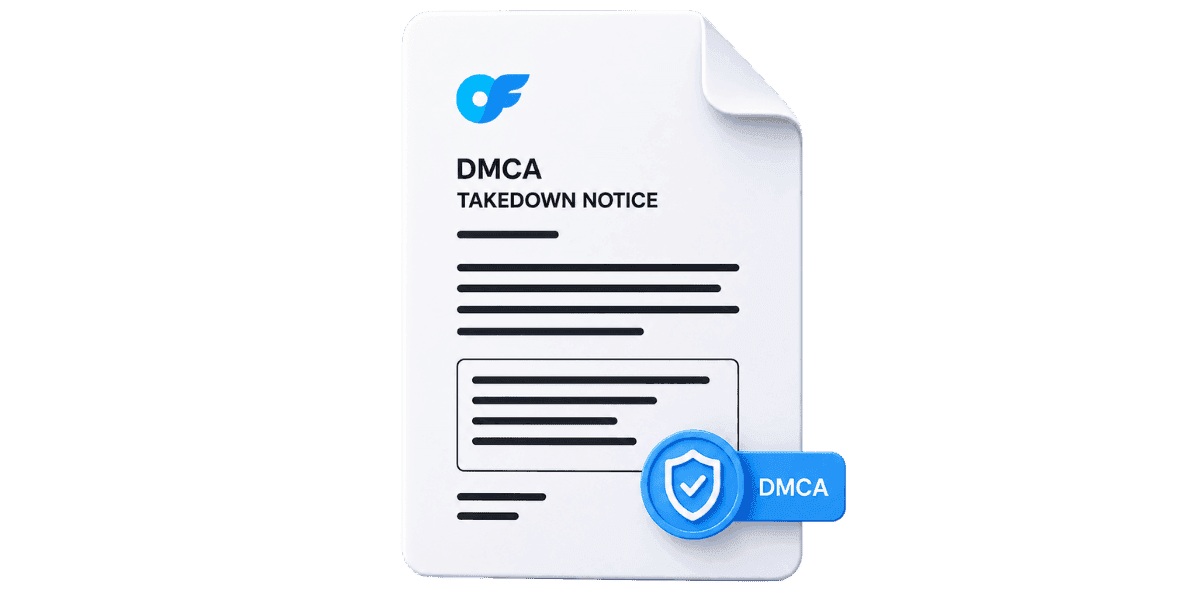
Los informes DMCA son la herramienta más poderosa que tienen los creadores adultos de OnlyFans para eliminar contenido pirateado de la web, pero solo funcionan cuando se presentan correctamente. Se ignora un aviso vago o incompleto; una notificación precisa y bien documentada genera obligaciones legales para el anfitrión que a menudo resultan en la eliminación dentro de las 24 horas. Esta guía explica lo que realmente contiene un aviso de DMCA, dónde presentarlo, cómo ampliar más allá de los envíos uno por uno, qué hacer cuando los anfitriones ignoran los avisos y cómo combinar la DMCA con informes de abuso específicos de la plataforma para lograr el máximo impacto.
Por qué los avisos de la DMCA son el punto de partida correcto
La Ley de Derechos de Autor del Milenio Digital brinda a los creadores un procedimiento legal formal para obligar a los servidores a eliminar contenido infractor. La razón por la que funciona no es la buena voluntad del anfitrión; es la responsabilidad legal en la que incurren si ignoran los avisos válidos. Comprender esa responsabilidad es lo que hace que la DMCA sea efectiva.
El puerto seguro que los anfitriones quieren mantener
Los anfitriones (sitios de metro, casilleros de archivos, plataformas sociales) están protegidos de la responsabilidad por derechos de autor solo si responden a avisos válidos de la DMCA. Un patrón de avisos ignorados pone en riesgo la protección del puerto seguro, razón por la cual los hosts que cumplen con las normas actúan rápidamente. Cada foto y video original que cree está automáticamente protegido por derechos de autor en el momento en que se graba. No es necesario registrarse formalmente para presentar un aviso de DMCA, aunque el registro desbloquea recursos legales significativamente más sólidos, incluida la indemnización por daños y perjuicios, si alguna vez inicia un litigio.
DMCA frente a otras herramientas de eliminación
DMCA es la herramienta más poderosa porque tiene fuerza legal. Los informes de abuso específicos de plataformas en categorías como "derechos de autor", "suplantación de identidad" o "contenido no consensual" a veces resultan en eliminaciones más rápidas, pero carecen del peso legal que obliga a los anfitriones reacios a tomar medidas. El enfoque correcto es utilizar ambos en paralelo: presentar el aviso DMCA al agente designado del anfitrión y enviar el informe de abuso de la plataforma simultáneamente. Ninguno reemplaza al otro, y las presentaciones combinadas avanzan más rápido que cualquiera de ellas por separado.
Qué debe contener un aviso válido de DMCA
Un aviso DMCA tiene seis elementos requeridos según la ley estadounidense. La falta de cualquiera de ellos puede invalidar el aviso y darle al anfitrión motivos para ignorarlo. Incluir los seis lleva menos de dos minutos con una plantilla.
Los seis elementos necesarios
Los seis elementos son: firma física o electrónica; identificación de la obra protegida por derechos de autor que se está infringiendo; identificación del material infractor con suficiente detalle para localizarlo, normalmente una URL directa; su información de contacto; una declaración de buena fe de que el uso no está autorizado; y una declaración jurada bajo pena de perjurio de que la información es exacta y que usted está autorizado a actuar en nombre del propietario de los derechos de autor. Cada elemento debe estar presente. Los avisos que omiten la declaración jurada o no identifican la URL infractora específica son las razones más comunes por las que las presentaciones son rechazadas o ignoradas.
Plantillas y preocupaciones sobre seudónimos
Generador de plantillas de avisos DMCA produce un aviso de pleno cumplimiento con los seis elementos en su lugar. El resultado es texto sin formato; péguelo en un correo electrónico, reemplace los marcadores de posición con las URL infractoras específicas y sus datos de contacto, y envíelo. Para los creadores adultos preocupados por la privacidad, los avisos de la DMCA requieren su nombre legal e información de contacto. El enfoque correcto es presentar la solicitud a través de un agente: un servicio de protección de contenidos, un abogado o una agencia de gestión de derechos. La información del agente aparece públicamente, no la suya, y la fuerza legal es idéntica a la de un aviso presentado por usted mismo.
Dónde enviar avisos DMCA
Los avisos de DMCA se envían al agente de DMCA designado por el anfitrión, no a una dirección genérica de soporte o contacto. Enviar a la dirección incorrecta es una de las razones más comunes por las que los avisos no producen resultados a pesar de tener el formato correcto.
Sitios de tubo, casilleros de archivos y motores de búsqueda
La mayoría de los principales sitios de tubo publican el contacto de su agente DMCA en /DMCA o en el pie de página del sitio. Los formularios de eliminación dedicados se conectan directamente a las colas de eliminación internas y producen resultados más rápidos que el correo electrónico. Para ver paso a paso el proceso completo de presentación de notificaciones,Solicitud de eliminación de DMCA La página cubre los requisitos específicos de cada plataforma. Para los casilleros de archivos como Mega, Mediafire y Dropbox, los canales DMCA producen eliminaciones más confiables que los informes de abuso debido a las obligaciones legales directas involucradas. Eliminar contenido de Google y Bing suele ser tan impactante como eliminarlo del host original, porque la desindexación hace que la filtración sea invisible para los buscadores incluso cuando el archivo subyacente todavía existe.Eliminación de la DMCA de Google y DMCA Los procesos son pasos paralelos críticos para cada URL infractora que identifique.
Plataformas de redes sociales
X/Twitter, Reddit, Telegram, Instagram, TikTok y Discord procesan avisos de DMCA a través de flujos de envío específicos. Cada plataforma tiene su propio formulario o dirección de correo electrónico, y es importante utilizar el canal correcto. Los procesos DMCA de Reddit, DMCA de Telegram y DMCA de Twitter tienen requisitos específicos que difieren de un aviso de host estándar.
Ampliando más allá de la presentación uno por uno
La presentación manual de avisos de DMCA es viable para unos pocos incidentes por mes. Una vez que la velocidad de fuga excede ese umbral, el archivo manual se queda atrás y el trabajo atrasado se agrava.
Envíos masivos, automatización y agentes de servicio
Google acepta envíos de múltiples URL de estilo CSV a través de su herramienta de eliminación, y Bing y varios sitios de tubo permiten envíos por lotes. La creación de hojas de cálculo simples que completen previamente los valores de la plantilla reduce significativamente el tiempo por notificación. Los rastreadores de monitoreo continuo van más allá al detectar automáticamente nuevas infracciones y completar previamente los avisos para su revisión antes de que usted los vea. Esta es la capacidad central que tiene el profesional Servicios antipiratería entregar: la diferencia entre detectar una fuga en cuatro horas versus cuatro semanas es la diferencia entre cientos de visitas y cientos de miles. Una vez que el volumen supera unos pocos cientos de URL por mes, trabajar con un agente de servicio se vuelve más económico que hacerlo usted mismo. Manejan el archivo, los seguimientos y las derivaciones como parte de un único flujo de trabajo, y el costo por URL eliminada disminuye significativamente en comparación con el archivo manual. Para los creadores que desean que el archivo se maneje de principio a fin,Servicio de eliminación de OnlyFans DMCA cubre monitoreo, presentación de avisos y escalamiento en un solo flujo de trabajo.
Cuando los anfitriones ignoran los avisos de la DMCA
Algunos servidores, normalmente operaciones extraterritoriales o sitios que se ejecutan en jurisdicciones legalmente ambiguas, ignoran por completo los avisos de la DMCA. La respuesta correcta no es darse por vencido sino ejercer presión sobre la infraestructura que los sustenta.
Registradores, CDN y procesadores de pagos
Incluso los hosts que no cumplen con las normas compran sus dominios a registradores que sí responden a los informes de abuso. La presentación ante el registrador, identificable mediante una búsqueda de WHOIS, puede provocar la suspensión del dominio sin requerir la cooperación del anfitrión. Cloudflare y CDN similares también aceptan quejas de DMCA; Los avisos a la CDN revelan la verdadera IP del host o obligan al sitio a encontrar nueva infraestructura, lo que genera interrupciones y costos para el operador. El camino de escalada más impactante para los sitios de filtraciones monetizados es apuntar a sus ingresos: las redes publicitarias y los procesadores de pagos que impulsan estos sitios a menudo suspenden cuentas cuando se les presentan evidencia de DMCA e informes de abuso. Un sitio que pierde su procesador de pagos y sus ingresos por publicidad normalmente cierra más rápido que uno que simplemente pierde el alojamiento. Para los creadores que quieran que esta escalada se maneje sin tener que gestionarla ellos mismos,DMCA para creadores es un servicio totalmente administrado que ejecuta toda la campaña de presión sobre la infraestructura en su nombre.
Contraavisos y qué esperar
Un pequeño porcentaje de las eliminaciones resultan en contranotificaciones del presunto infractor, afirmando que el contenido no infringe. Esto es parte del proceso legal, no una derrota.
Mecánica de contranotificación
Después de una contranotificación, el anfitrión normalmente restaura el contenido dentro de 10 a 14 días hábiles, a menos que usted responda con una demanda. En la mayoría de las situaciones de creadores adultos, las contranotificaciones son tácticas dilatorias abusivas por parte de los piratas. Una respuesta de su abogado o un segundo aviso redactado en términos contundentes citando derribos anteriores generalmente resuelve el caso.
Cuándo impulsar el litigio
Si un pirata presenta persistentemente contraavisos contra avisos legítimos, vale la pena considerar el litigio. Los costos varían, pero los casos de derechos de autor con infracción intencional documentada pueden resultar en daños legales importantes, especialmente cuando los derechos de autor están registrados.
Mantener registros limpios
La disciplina de la documentación también protege contra una táctica pirata común: presentar contranotificaciones en masa contra eliminaciones legítimas para abrumar a un creador con ciclos de restauración. Mantener un registro con marca de tiempo de cada presentación y cada respuesta crea un rastro en papel claro que su abogado puede utilizar para establecer una infracción intencionada y mala fe. Las hojas de cálculo basadas en la nube funcionan bien para esto; una fila por aviso con fecha, plataforma, URL, estado y cualquier contraaviso recibido le brinda la descripción general que necesita para identificar a los infractores reincidentes y priorizar la escalada.
Combinando DMCA con herramientas específicas para adultos
Los creadores adultos tienen acceso a varios mecanismos de eliminación específicos para adultos que funcionan junto con la DMCA. Combinarlos produce resultados más rápidos que la DMCA sola.
Informes de imágenes íntimas no consensuales
Muchas plataformas importantes tienen políticas explícitas de imágenes íntimas no consensuales (NCII). Los informes bajo NCII generalmente eliminan contenido más rápido que la DMCA porque la propia plataforma puede actuar sin los vaivenes que a veces desencadena la DMCA.
Herramientas de contenido para adultos específicas de la plataforma
El programa Trusted Flagger de Pornhub e iniciativas similares de la industria brindan a los creadores examinados canales de eliminación escalados. Las plataformas específicas para adultos también aceptan informes basados en hash que detectan recargas de archivos idénticos.
Protección de contenido integrada
Configurar este tipo de flujo de trabajo integrado desde cero lleva tiempo, pero la economía por URL lo justifica rápidamente para cualquier creador que gestione activamente la piratería. La alternativa es presentar un aviso a la vez en una docena de plataformas manualmente, lo que produce resultados decrecientes a medida que aumenta la velocidad de la fuga. La mayoría de los creadores que cambian a un enfoque integrado descubren que su huella total de fugas se reduce dentro de los primeros 90 días y continúa disminuyendo a medida que la capa de monitoreo detecta las recargas más rápido de lo que los piratas pueden publicarlas.
Actuar ante la fuga de compuestos
Los informes DMCA son el caballo de batalla del trabajo antipiratería de los creadores adultos y, cuando se presentan correctamente, eliminan la gran mayoría del contenido infractor en cuestión de días. Las claves son utilizar plantillas de avisos compatibles, presentar archivos en las direcciones correctas, escalar a la infraestructura cuando los anfitriones ignoran los avisos y combinar DMCA con canales de eliminación específicos para adultos. Si se realiza de manera consistente, esta pila comprime el volumen de fugas a una línea de pedido pequeña y manejable.
Ya sea que usted mismo maneje el trabajo de la DMCA o lo subcontrate a un socio de protección de contenido, el hábito más importante es la coherencia. Los piratas cuentan con el cansancio del creador; Vencer esa fatiga es la mayor parte de la batalla.
¿Listo para proteger su valioso contenido?Comience a proteger su contenido con Enforcity.
Protege Tu Contenido
- Detección de filtraciones 24/7
- Eliminaciones DMCA automatizadas
- Protección específica para OnlyFans
- Alertas de monitoreo en tiempo real
Preguntas Frecuentes
¿No encontraste una respuesta?
Emily
Estratega de Contenido Digital
Emily es una especialista en protección de contenido digital con más de 5 años de experiencia ayudando a creadores a proteger su trabajo en línea. Se especializa en la aplicación de DMCA y estrategias de eliminación específicas de cada plataforma.
Protege Tu Contenido
- Detección de filtraciones 24/7
- Eliminaciones DMCA automatizadas
- Protección específica para OnlyFans
- Alertas de monitoreo en tiempo real
Artículos Relacionados
Usar un segundo teléfono desbloqueado para OnlyFans: por qué y cómo
Usar un segundo teléfono desbloqueado para OnlyFans separa el trabajo de creador de la vida personal. Aquí te explicamos cómo configurar uno, qué instalar y cómo mantenerlo seguro.
Leer Artículo
«Detected, opinion rejected» en OnlyFans: qué significa y cómo arreglarlo
«Detected, opinion rejected» en OnlyFans explicado: qué significa el mensaje, qué lo activa, cómo apelar y cómo evitar que el mismo contenido vuelva a marcarse.
Leer Artículo
Mejor servicio de protección de contenido online para creadores de OnlyFans
Mejor servicio de protección de contenido online para OnlyFans: qué mirar, funciones clave, modelos de precio y cómo elegir al partner anti-piratería adecuado en 2026.
Leer ArtículoRecursos Gratuitos

Protegiendo Tu Bienestar Mental
Esenciales de salud mental para creadores de contenido.

Manual Definitivo para Creadores de OnlyFans
Recurso completo para todos los aspectos del éxito en OnlyFans.

¿Cómo Proteger Tu Contenido 🌶️?
Cómo proteger tu contenido digital en múltiples plataformas.

¿Cómo Mantenerte Seguro como Creador?
Consejos esenciales de seguridad para creadores de contenido.

¿Qué Necesita Saber Todo Creador Sobre Sus Derechos?
Fundamentos legales y derechos para creadores.

¿Cómo Proteger Tu Creatividad?
Una guía imprescindible para creadores de OnlyFans.

Glosario para Creadores de Contenido
Términos clave que todo creador de contenido debe conocer.

Lista de Verificación de Seguridad de Contenido para Máximos Beneficios
Lista de verificación para asegurar contenido y optimizar ganancias.

¿Cómo Detener Filtraciones al Instante?
Protege tu trabajo, toma el control y prevén la distribución no autorizada en las plataformas al instante.