OnlyFans AI Scams: How to Identify and Protect Yourself from AI Fraud
OnlyFans AI scams use deepfake profiles, chatbot impersonation, and voice cloning to defraud creators and subscribers, and knowing the warning signs is your best defense.
In this article
AI scams on OnlyFans have evolved from simple fake profiles to sophisticated deepfake impersonation schemes that are increasingly difficult to detect. The threat landscape for OnlyFans users has expanded dramatically as the technology becomes more accessible and convincing. This guide breaks down every major type of AI-powered scam targeting OnlyFans users and provides actionable strategies for identifying and avoiding them.
AI-Generated Fake Creator Profiles on OnlyFans
One of the most prevalent AI scams on OnlyFans involves entirely fabricated creator profiles built using AI-generated images and videos. These fake profiles are designed to attract paying subscribers who believe they are interacting with a real person. The technology behind these scams has advanced to a point where distinguishing AI-generated content from authentic photos requires careful inspection.
How Fake Profiles Are Created?
Scammers use generative AI tools to produce realistic-looking profile photos, preview images, and even short video clips. These tools can generate faces that do not belong to any real person, making reverse image searches ineffective. The scammer then builds an entire persona around these AI-generated visuals, complete with a bio, pricing tiers, and promotional posts on social media. Some operations run dozens of fake profiles simultaneously, each targeting a different niche or audience demographic. These operations can scale rapidly across dozens of fake accounts, creators whose likeness is being misused benefit from OnlyFans content protection monitoring that detects unauthorized use before it reaches a large audience.
Warning Signs of an AI-Generated Profile
There are several telltale signs that a creator profile may be AI-generated. Look for inconsistencies in skin texture, especially around the hairline and ears. AI-generated images often produce asymmetrical jewelry, warped fingers, or backgrounds that blur in unnatural ways. Check whether the creator has verified social media accounts linked to their profile. Genuine creators typically maintain a presence across multiple platforms with a consistent history of posts. If a profile has only existed for a short time but already features hundreds of polished photos with no behind-the-scenes content, that is a red flag. Another indicator is the absence of live streams or real-time interactions, since AI profiles cannot authentically participate in spontaneous live content. Recognizing these patterns is essential for avoiding AI scams on OnlyFans before you lose money to a profile that never had real content to deliver.
The Financial Impact on Subscribers
Subscribers who fall for AI-generated profiles lose money on subscription fees and pay-per-view content that has no authentic value. Beyond the financial loss, these scams erode trust in the platform as a whole. Subscribers become more skeptical of legitimate creators, making it harder for real content producers to grow their audience. The cumulative effect of widespread AI profile scams damages the entire OnlyFans ecosystem and makes content authentication an increasingly important concern for everyone on the platform.
Deepfake Scams Targeting OnlyFans Creators
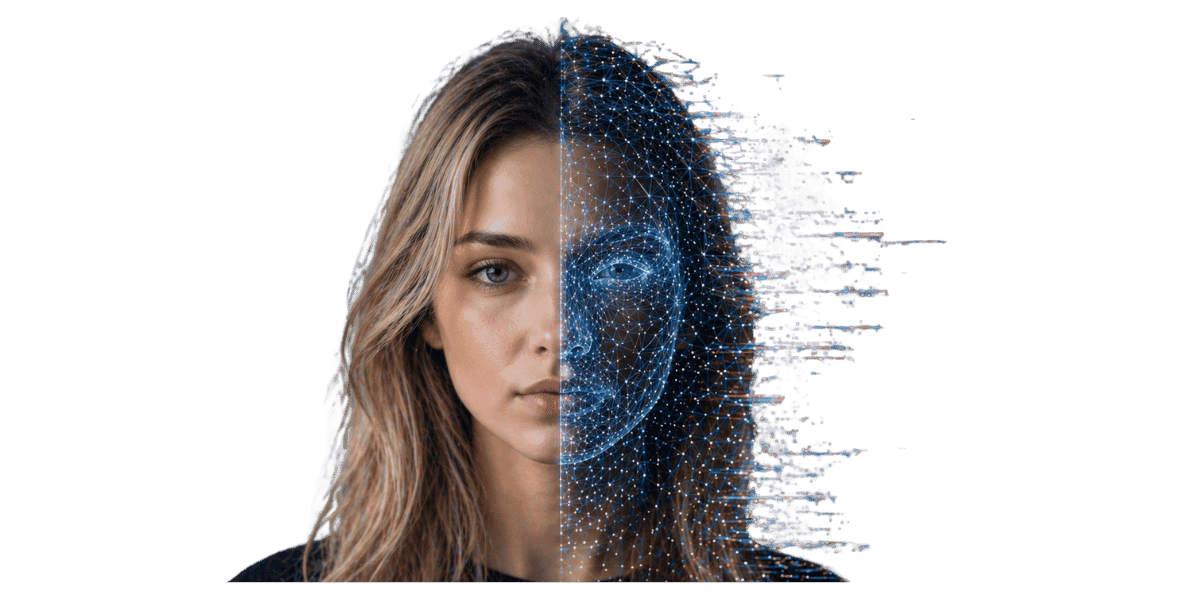
Deepfake technology poses a uniquely dangerous threat to OnlyFans creators. Scammers can use a creator's publicly available photos and videos to generate convincing deepfake content that appears to show the creator in situations they never participated in. This content is then used for extortion, unauthorized distribution, or to create competing fake accounts. Understanding how deepfakes work and how to respond is essential for every creator on the platform.
How Deepfakes Are Used Against Creators?
The most common deepfake attack involves taking a creator's face and placing it onto explicit content they did not produce. Scammers distribute this fabricated content on piracy sites, social media, or even competing OnlyFans accounts to siphon subscribers away from the legitimate creator. In more targeted attacks, scammers contact the creator directly with deepfake material and demand payment to prevent its release. Some scammers also create deepfake video messages that appear to show the creator endorsing fraudulent products or investment schemes. These attacks can cause severe reputational damage and emotional distress. If your content is being misused, OnlyFans DMCA takedown service can help you get unauthorized content removed quickly from platforms and search engines.
Detecting Deepfake Content
While deepfakes are becoming increasingly convincing, detection is still possible with careful analysis. Look for unnatural blinking patterns, inconsistent lighting between the face and body, blurred edges around the jawline and neck, and audio that does not perfectly sync with lip movements. Skin texture may appear overly smooth or waxy in deepfake videos. The background behind the subject may flicker or distort slightly between frames. Several online tools and browser extensions now offer deepfake detection capabilities, though they are not foolproof. Creators should regularly search for their name and likeness online to catch deepfake content early before it spreads widely.
Legal Protections Against Deepfakes
A growing number of jurisdictions have enacted laws specifically targeting non-consensual deepfake content. In the United States, several states have passed legislation making the creation and distribution of deepfake pornography a criminal offense. Federal legislation is also advancing to address this issue at the national level. Internationally, the EU AI Act includes provisions related to deepfake disclosure requirements. Creators who discover deepfake content should document everything, file DMCA takedown requests immediately, report to the hosting platform, and consult a legal professional about additional options in their jurisdiction.
AI Chatbot Impersonation Scams
AI chatbots have become sophisticated enough to carry on convincing conversations that mimic real human interaction. Scammers deploy these chatbots to impersonate OnlyFans creators in direct messages, extracting money and personal information from unsuspecting subscribers. This form of fraud is particularly effective because it exploits the personal connection that subscribers expect when messaging a creator directly.
How Chatbot Impersonation Works?
Scammers train AI chatbots on a creator's public posts, interviews, and social media content to replicate their communication style. The chatbot then handles subscriber messages on fake accounts or compromised accounts, responding with personalized-seeming messages that encourage the subscriber to purchase premium content, send tips, or share personal information. These bots can manage hundreds of conversations simultaneously, making the scam highly scalable. Some advanced chatbot scams even incorporate the creator's actual content photos into conversations to increase believability. The subscriber believes they are building a genuine connection while actually interacting with an automated system designed to maximize financial extraction.
Identifying AI Chatbot Conversations
Several patterns can help you identify when you are chatting with an AI bot rather than a real creator. Bots tend to respond almost instantly at any hour of the day. Their responses may be grammatically perfect but lack the natural imperfections and personality quirks of human communication. They often redirect conversations toward purchases regardless of the topic. Try asking specific questions about recent events or requesting something unusual. A real creator will respond naturally while a bot may give a generic or evasive answer. If someone claiming to be a creator asks you to communicate or pay outside the OnlyFans platform, that is almost always a scam. Learn more about these tactics in our guide on common OnlyFans scams.
AI Voice Cloning and Audio Scams
Voice cloning technology has reached a point where a few seconds of audio can be used to generate a convincing replica of someone's voice. For OnlyFans creators who produce audio content, participate in podcasts, or post videos with their voice, this creates a new attack vector that can be difficult to defend against.
How Voice Cloning Targets Creators?
Scammers collect audio samples from a creator's publicly available content including social media videos, podcast appearances, and OnlyFans preview clips. Using AI voice cloning tools, they generate new audio that sounds like the creator saying things they never actually said. This cloned audio can be used to create fake custom audio content sold on unauthorized platforms, produce convincing voicemail or audio messages for social engineering attacks, generate fake endorsements of products or services, and add realistic audio to deepfake video content. The combination of voice cloning with deepfake video creates an especially convincing impersonation that is difficult for most people to identify as fake.
Protecting Your Voice Identity
While you cannot prevent someone from attempting to clone your voice, you can take steps to limit its effectiveness and detect its misuse. Consider watermarking your audio content with subtle identifying markers — the same principle behind anti-piracy services that embed invisible identifiers to trace leaked content back to its source. Limit the amount of clear, unprocessed audio you share publicly, particularly long uninterrupted speech segments that provide better training data for cloning tools. Establish a verification method with your subscriber base so they can confirm communications are genuinely from you. If you discover cloned audio being used in your name, document it immediately and issue a public statement through your verified channels.
AI-Powered Catfishing on OnlyFans
Traditional catfishing has been supercharged by AI tools that make it easier than ever to maintain a convincing false identity. AI-powered catfishing on OnlyFans goes beyond simple fake profiles by creating entirely synthetic personas that can sustain long-term deceptions. Understanding the evolution of this threat helps both creators and subscribers protect themselves.
The Evolution of AI Catfishing
Traditional catfishing required manually stealing and curating photos from real people, which left a trail detectable through reverse image searches — unlike catfishing on OnlyFans using AI, which generates unique images that exist nowhere else on the internet. Scammers can now create a complete visual identity including profile photos, lifestyle images, and even video content without using a single real person's likeness.
Red Flags for AI Catfish Accounts
Even with advanced AI, catfish accounts exhibit certain patterns. They rarely if ever do live streams or video calls. Their content may show subtle AI artifacts like extra fingers, warped text on clothing, or inconsistent earrings between photos. The account may have no verified social media presence outside OnlyFans. The creator never appears in collaboration content with other verified creators. Their promotional material across platforms may use slightly different AI-generated faces rather than the exact same person. Paying attention to these details can save you from subscribing to fraudulent accounts and losing money to scammers who have no real content to deliver.
How to Report AI Scams on OnlyFans?
Reporting AI scams effectively requires documentation and following the right channels. OnlyFans has expanded its reporting mechanisms to address AI-specific fraud, but knowing how to submit a compelling report increases the likelihood of action being taken against scam accounts.
Documenting AI Scam Evidence
Before filing a report, gather comprehensive evidence of the AI scam. Take screenshots of the fake profile including all visible content and the profile URL. Save copies of any messages exchanged with the scam account. If the scam involves deepfake content of you, save the original files you created alongside the fake versions for comparison. Record timestamps showing when you first discovered the scam and any financial transactions involved. Note any external links or platforms the scammer directed you toward. This documentation strengthens your report and helps the OnlyFans trust and safety team take faster action. Consider using OnlyFans screenshot protection methods to trace how your content may have been captured and redistributed. Creators who watermark their content consistently can also use those marks as evidence — a stolen piece with your visible watermark proves ownership instantly. Start with adding watermark on OnlyFans if you haven't established this habit yet.
Filing Reports with OnlyFans and External Authorities
Submit your report through the OnlyFans reporting feature directly on the scam profile or through the support contact form. Include all evidence you have gathered and clearly explain why you believe AI was involved in the scam. For deepfake content, file a DMCA takedown notice through the OnlyFans DMCA portal. If the scam involved significant financial loss or identity theft, also file reports with the FTC at reportfraud.ftc.gov, the FBI Internet Crime Complaint Center at ic3.gov, and your local law enforcement. For scams operating across platforms, report the associated social media accounts as well. The more reports from different victims, the faster platforms act to remove scam operations. Creators dealing with impersonation alongside deepfakes should also file separately through the stolen OnlyFans content process, different violation types require separate reports for faster action.
Protecting Yourself in the Age of AI Scams
AI scams on OnlyFans represent a rapidly evolving threat that affects both creators and subscribers. From AI-generated fake profiles and deepfake impersonation to chatbot scams and voice cloning, the technology behind these attacks is becoming more accessible and harder to detect. Staying informed about the latest AI fraud techniques, maintaining strong verification practices, and reporting suspicious accounts promptly are the most effective ways to protect yourself. As AI technology continues to advance, the OnlyFans community must remain vigilant and proactive in identifying and combating these threats to maintain trust and safety on the platform.
Want to safeguard your content and identity from AI-powered fraud? Sign up for Enforcity and get AI-powered content monitoring that detects deepfakes and unauthorized use of your likeness across the internet, so you can focus on creating while we handle the protection.
Protect Your Content
- 24/7 leak detection
- Automated DMCA takedowns
- OnlyFans-specific protection
- Real-time monitoring alerts
Frequently Asked Questions
Couldn't find an answer?

Emily
Digital Content Strategist
Emily is a digital content protection specialist with over 5 years of experience helping creators safeguard their work online. She specializes in DMCA enforcement and platform-specific takedown strategies.
Protect Your Content
- 24/7 leak detection
- Automated DMCA takedowns
- OnlyFans-specific protection
- Real-time monitoring alerts
Related Articles
How to Withdraw Money from OnlyFans: A Human-Friendly Guide for Creators
Learn how to withdraw money from OnlyFans with this complete guide. Discover payout options, processing times, common issues, and how to keep your earnings secure.
Read Post
Wheelchair OnlyFans Success Guide
Discover how disabled creators thrive on OnlyFans, breaking stereotypes, inspiring communities, and promoting inclusivity. Learn Wheelchair OnlyFans niche details.
Read Post
What You Need to Know Before Starting OnlyFans: Essential Tips and Strategies
Thinking about joining OnlyFans? Discover What You Need to Know Before Starting OnlyFans? Essential tips, strategies, and insights to maximize your success, protect your content, and grow your fanbase effectively. Start your journey with confidence!
Read PostFree Resources

Protecting Your Mental Wellness
Mental health essentials for content creators.

Ultimate Handbook for OnlyFans Creators
Comprehensive resource for all aspects of OnlyFans success.

How to Safeguard Your 🌶️ Content?
How to safeguard your digital content across multiple platforms.
How to Stay Safe as a Creator?
Essential safety tips for content creators.

What Every Creator Needs to Know About Their Rights?
Legal basics and rights for creators.

How to Protect Your Creativity?
A must-have guide for OnlyFans creators.

Glossary for Content Creators
Key terms every content creator should know.

Content Security Checklist for Maximum Profit
Checklist for securing content and optimizing earnings.

How to Stop Leaks Instantly?
Protect your work, take control, and prevent unauthorized sharing across platforms instantly.