Faceswap Deepfakes y OnlyFans: la amenaza y cómo combatirla
Cómo se dirigen los deepfakes de faceswap a los creadores de OnlyFans y las herramientas prácticas de detección, eliminación y legales que realmente funcionan.
En este artículo
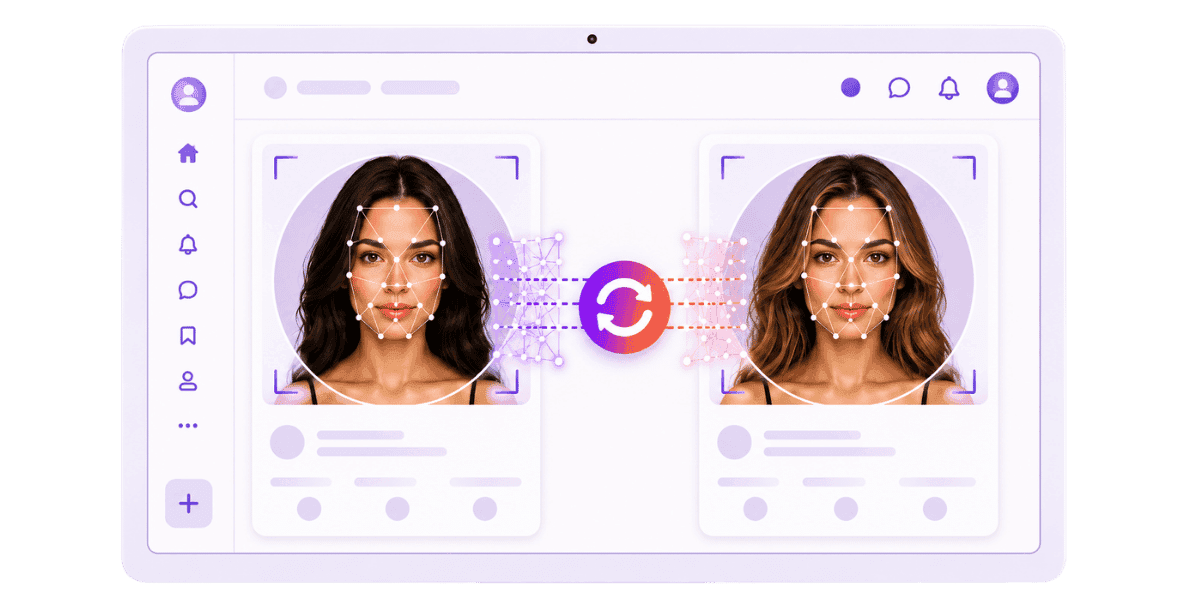
Los deepfakes de Faceswap se han convertido en una de las amenazas de más rápido crecimiento para los creadores de OnlyFans, convirtiendo las fotos públicas de un creador en contenido explícito no consensuado distribuido en sitios Tube, Telegram y Reddit. La tecnología es barata, la distribución es global y el panorama legal aún se está poniendo al día. Esta guía explica cómo funcionan los ataques de deepfake de intercambio de caras, cómo se suele atacar a los creadores, las señales de detección que detectan las falsificaciones tempranamente, los flujos de trabajo de eliminación que realmente mueven el volumen, las opciones legales disponibles en las principales jurisdicciones y los pasos proactivos que reducen la exposición de un creador en primer lugar.
Qué son los Deepfakes de Faceswap y por qué se dirigen a los creadores
Los deepfakes de Faceswap utilizan el aprendizaje automático para injertar el rostro de una persona objetivo en el cuerpo de otra persona en imágenes fijas o videos. Las herramientas modernas requieren sólo un pequeño conjunto de fotografías originales y producen resultados convincentes en minutos. Los creadores de OnlyFans son un objetivo exclusivo porque ya tienen una gran presencia pública y una base de suscriptores que busca activamente contenido exclusivo.
Cómo funciona la tecnología y por qué los creadores son los objetivos principales
Las herramientas gratuitas de código abierto, incluidas DeepFaceLab, FaceFusion y SimSwap, además de servicios comerciales entrenados en GPU de consumo, producen intercambios de rostros creíbles en 30 a 60 minutos por video. La calidad ha mejorado drásticamente desde 2022, y para los espectadores ocasionales es difícil distinguir las falsificaciones de alta gama del contenido genuino. Los creadores publican fotografías de rostros de alta calidad en las páginas de vista previa de Instagram, Twitter/X, TikTok y OnlyFans. Los atacantes recopilan esas imágenes para entrenar modelos que luego producen contenido explícito falso. La falsificación a menudo se comercializa como una versión "filtrada" del OnlyFans real, monetizando el nombre de un creador sin que éste reciba ningún ingreso.
Impacto en los ingresos y la reputación
Más allá del daño emocional inmediato, los deepfakes desvían el tráfico de los OnlyFans reales de un creador, confunden a los suscriptores haciéndoles creer que ya han visto el contenido y pueden dañar futuras asociaciones con marcas. Las falsificaciones son una capa de distribución pirata paralela que opera independientemente de los canales de filtración estándar y requiere su propia infraestructura de detección y eliminación.
Detectar temprano los deepfakes de Faceswap
La detección es la mitad de la batalla. Cuanto antes se identifique un deepfake, menor será su huella de distribución cuando comience el proceso de eliminación. La mayoría de las falsificaciones se difunden agresivamente en las primeras 24 a 48 horas; atraparlos en esa ventana limita significativamente la audiencia total.
Indicadores visuales que aún persisten
Busque líneas de cabello desalineadas, tonos de piel que no coincidan en la línea de la mandíbula, parpadeos al girar la cabeza, reflejos oculares poco naturales e iluminación inconsistente entre la cara y el cuerpo. Estos artefactos son más sutiles de lo que solían ser, pero un ojo entrenado detecta la mayoría de las falsificaciones a los pocos segundos de revisarlos. Los vídeos falsos son más fáciles de detectar que las imágenes fijas porque el movimiento crea transiciones que los modelos de generación manejan mal; Los marcos donde la cabeza gira más de 30 grados son los lugares más confiables para verificar.
Herramientas de detección y búsqueda inversa de imágenes
Los servicios de detección especializados, incluidos Sensity y Deepware, pueden ayudar a detectar los intercambios de caras generados, pero deben tratarse como parte de un proceso de revisión más amplio y no como una respuesta final. Para los creadores,Detección de deepfake de OnlyFans Funciona mejor cuando se utilizan juntas herramientas automatizadas, comprobaciones manuales y documentación de evidencia. Para una detección manual accesible, realice búsquedas trimestrales de imágenes inversas en PimEyes, Google Images y TinEye utilizando sus propias fotografías de rostros. Los servicios de monitoreo continuo automatizan este proceso, avisándole cuando aparecen nuevas imágenes que coinciden con su imagen, independientemente de si son reales o generadas. Las estafas generadas por IA utilizan cada vez más tecnología deepfake junto con otras tácticas de fraude. El contenido deepfake suele ser parte de un Estafas de IA de OnlyFans, donde cuentas falsas, medios generados, suplantaciones y mensajes automatizados se utilizan juntos para dirigirse a los creadores.
Presentar eliminaciones de contenido deepfake
Las eliminaciones de deepfake se sitúan en la intersección de los derechos de autor, los derechos de imagen y las políticas de acoso específicas de la plataforma. La mayoría de las plataformas importantes ahora tratan los deepfakes no consensuados como removibles por múltiples motivos, pero el aviso de eliminación debe hacer referencia a la política correcta para actuar rápidamente.
Estrategia de Copyright DMCA y políticas específicas de la plataforma
Si el deepfake se entrenó o utiliza directamente imágenes de su rostro con derechos de autor de publicaciones de Instagram o contenido de OnlyFans, un aviso de DMCA es la ruta inicial más eficiente. Haga referencia a las imágenes de origen, enumere las URL infractoras y utilice un Generador de plantillas de avisos DMCA preparar el aviso en el formato correcto. Reddit, X/Twitter, Telegram, Pornhub, XVideos y la mayoría de los principales sitios de tube también tienen políticas explícitas de deepfake no consensuadas; La presentación de informes en la categoría específica de abuso suele ser más rápida que la DMCA por sí sola.
Desindexación de motores de búsqueda
Incluso después de que el contenido se elimine en la fuente, los motores de búsqueda pueden continuar ofreciendo miniaturas y fragmentos almacenados en caché. Envíe solicitudes de eliminación a Google y Bing utilizando su respectiva información personal y flujos de eliminación de DMCA. La desindexación suele ser tan impactante como la eliminación de la fuente porque corta la capa de descubrimiento que dirige la mayor parte del tráfico nuevo hacia contenido falso. La mayoría de los creadores que manejan incidentes de deepfake informan constantemente que el paso de desindexación de búsqueda es el que más a menudo olvidan, y es el que mantiene vivo el tráfico entrante hacia falsificaciones por más tiempo después de la eliminación de la fuente.
Opciones legales y panorama de aplicación de la ley Deepfake
Los marcos legales para los deepfakes no consensuados se están endureciendo en todo el mundo. Conocer los puntos de influencia en su jurisdicción convierte las eliminaciones de solicitudes educadas en demandas ejecutables y abre opciones que los informes de abuso de la plataforma no pueden alcanzar.
Estados Unidos
Varios estados de EE. UU. (California, Texas, Virginia, Nueva York, Illinois) tienen leyes específicas que penalizan los deepfakes no consensuales o ofrecen soluciones civiles. Las propuestas federales avanzan. Combinados con derechos de autor y derechos de publicidad, los creadores estadounidenses tienen opciones legales reales.
Unión Europea y Reino Unido
La Ley de Servicios Digitales de la UE y la Ley de Seguridad en Línea del Reino Unido imponen a las plataformas la obligación de eliminar imágenes íntimas no consensuadas, incluidas las deepfakes. Los creadores de la UE y el Reino Unido pueden aprovechar estas obligaciones para impulsar las plataformas hacia eliminaciones más rápidas.
Cuándo contratar a un abogado
La participación de abogados se justifica cuando las falsificaciones tienen una amplia distribución, cuando el creador detrás de la falsificación es identificable y tiene activos, o cuando se necesita un cese y desistimiento formal para que tenga un peso legal real. El umbral es más bajo de lo que suponen la mayoría de los creadores; una sola carta de un abogado a menudo mueve plataformas y operadores piratas más rápido que una pila de avisos presentados por uno mismo porque indica una infraestructura legal real detrás de la solicitud. En estos casos, el derecho Aviso legal de OnlyFans Depende de si el objetivo es la eliminación, la preservación de pruebas, un cese y desistimiento o una escalada formal.
Reducir su exposición a deepfake
La prevención total es imposible porque tu rostro es necesariamente público como creador. Pero algunos hábitos específicos reducen significativamente la materia prima con la que los atacantes tienen que trabajar y la posibilidad de descubrir cualquier falsificación que se cree.
Administre la huella fotográfica de su rostro y la higiene de la identidad
Evite publicar conjuntos de fotografías de rostros en múltiples ángulos, de resolución ultra alta y perfectamente iluminadas en las redes sociales públicas. La variedad de ángulos, expresiones e iluminación en las fotografías promocionales dificulta la generación y reduce la calidad de salida. Colocar marcas de agua en el contenido promocional con identificadores sutiles y difíciles de eliminar ayuda a las herramientas de detección a rastrear las falsificaciones hasta sus imágenes originales. Incluso con Protección de identidad de OnlyFans A nivel de plataforma, la exposición de las redes sociales públicas, los intermediarios de datos y la mala higiene de la privacidad aún deben gestionarse por separado.
Monitoreo continuo y detección de patrones
El monitoreo continuo detecta falsificaciones en cuestión de horas en lugar de meses, que es la diferencia entre un incidente menor y un evento de distribución importante. Un servicio profesional de monitoreo y eliminación combina el reconocimiento de imágenes, la detección de deepfake y el envío de DMCA en un solo flujo de trabajo, lo que elimina la necesidad de coordinar manualmente entre herramientas separadas.
Manejando el impacto emocional y de relaciones públicas
Los deepfakes son especialmente infractores porque crean contenido que la víctima nunca produjo ni dio su consentimiento. La respuesta operativa es necesaria; la respuesta emocional importa igualmente y no debe tratarse como algo secundario respecto de los pasos tácticos.
Salud mental y comunicación con los suscriptores
Para esta situación existen comunidades de creadores y recursos de salud mental especializados en abuso basado en imágenes. Para los creadores que enfrentan estrés, exposición o acoso,Salud mental del creador de OnlyFans debe tratarse como parte del proceso de recuperación, no como algo separado de la eliminación de contenido. Si un deepfake llega a tu base de fans, abordalo directamente: las imágenes no son reales, no fueron producidas por ti y estás haciendo que las eliminen activamente. La lealtad de los suscriptores casi siempre se fortalece después de una comunicación honesta.
Documentación a largo plazo
Mantenga registros completos de cada incidente de deepfake, cada eliminación presentada y cada correspondencia legal. La documentación se convierte en el paquete de pruebas si luego decide emprender acciones legales o si se desarrolla un patrón con un reincidente específico.
Creación de un flujo de trabajo repetible de defensa contra deepfake
Las respuestas únicas a los deepfakes se agotan rápidamente y dejan a los creadores reactivos en lugar de protegidos. Un flujo de trabajo repetible convierte una prueba caótica en operaciones de rutina y evita que cada nuevo incidente parezca catastrófico.
Monitoreo semanal y plantillas prediseñadas
Programe un barrido de monitoreo semanal de 30 minutos que cubra la búsqueda de imágenes inversas, verificaciones de palabras clave en sitios de fugas y escucha social de su nombre de creador. La mayoría de las falsificaciones aparecen en patrones reconocibles; encontrarlos rápidamente acorta el ciclo de limpieza y evita que la distribución alcance una masa crítica. Mantenga los avisos de DMCA, los informes de acoso y las solicitudes de desindexación de motores de búsqueda precargados con la información de su creador para que cuando aparezca una nueva falsificación, solo necesite completar las URL específicas.
Asóciese con un servicio profesional
Una vez que el volumen de monitoreo semanal excede unas pocas horas por semana, un socio de protección continua de contenido se amortiza. La economía pasa de un segundo trabajo a una partida en el presupuesto operativo, y la velocidad de eliminación mejora drásticamente en comparación con los flujos de trabajo manuales.
De la detección a la eliminación: manejo de los deepfakes de Faceswap
Los deepfakes de Faceswap no van a desaparecer; la tecnología es demasiado barata y demasiado accesible. Lo que los creadores pueden controlar es la rapidez con la que se detectan las falsificaciones, la eficacia con la que se eliminan y el grado de exposición que crea su huella facial personal en primer lugar. Una combinación de monitoreo, desmontajes rápidos, escalada legal cuando sea necesario e higiene de imagen disciplinada comprime el impacto de cada incidente.
Los creadores que manejan los deepfakes lo mejor que pueden hacer es tratarlos como una realidad operativa, no como una crisis existencial. Con las herramientas y los socios adecuados, incluso las falsificaciones sofisticadas pueden detectarse en cuestión de días y eliminarse en semanas, y la mayoría nunca alcanza una masa de distribución crítica.
¿Listo para proteger su valioso contenido?Comience a proteger su contenido con Enforcity.
Protege Tu Contenido
- Detección de filtraciones 24/7
- Eliminaciones DMCA automatizadas
- Protección específica para OnlyFans
- Alertas de monitoreo en tiempo real
Preguntas Frecuentes
¿No encontraste una respuesta?
Emily
Estratega de Contenido Digital
Emily es una especialista en protección de contenido digital con más de 5 años de experiencia ayudando a creadores a proteger su trabajo en línea. Se especializa en la aplicación de DMCA y estrategias de eliminación específicas de cada plataforma.
Protege Tu Contenido
- Detección de filtraciones 24/7
- Eliminaciones DMCA automatizadas
- Protección específica para OnlyFans
- Alertas de monitoreo en tiempo real
Artículos Relacionados
Usar un segundo teléfono desbloqueado para OnlyFans: por qué y cómo
Usar un segundo teléfono desbloqueado para OnlyFans separa el trabajo de creador de la vida personal. Aquí te explicamos cómo configurar uno, qué instalar y cómo mantenerlo seguro.
Leer Artículo
«Detected, opinion rejected» en OnlyFans: qué significa y cómo arreglarlo
«Detected, opinion rejected» en OnlyFans explicado: qué significa el mensaje, qué lo activa, cómo apelar y cómo evitar que el mismo contenido vuelva a marcarse.
Leer Artículo
Mejor servicio de protección de contenido online para creadores de OnlyFans
Mejor servicio de protección de contenido online para OnlyFans: qué mirar, funciones clave, modelos de precio y cómo elegir al partner anti-piratería adecuado en 2026.
Leer ArtículoRecursos Gratuitos

Protegiendo Tu Bienestar Mental
Esenciales de salud mental para creadores de contenido.

Manual Definitivo para Creadores de OnlyFans
Recurso completo para todos los aspectos del éxito en OnlyFans.

¿Cómo Proteger Tu Contenido 🌶️?
Cómo proteger tu contenido digital en múltiples plataformas.

¿Cómo Mantenerte Seguro como Creador?
Consejos esenciales de seguridad para creadores de contenido.

¿Qué Necesita Saber Todo Creador Sobre Sus Derechos?
Fundamentos legales y derechos para creadores.

¿Cómo Proteger Tu Creatividad?
Una guía imprescindible para creadores de OnlyFans.

Glosario para Creadores de Contenido
Términos clave que todo creador de contenido debe conocer.

Lista de Verificación de Seguridad de Contenido para Máximos Beneficios
Lista de verificación para asegurar contenido y optimizar ganancias.

¿Cómo Detener Filtraciones al Instante?
Protege tu trabajo, toma el control y prevén la distribución no autorizada en las plataformas al instante.