¿Puede la gente pescar gato en Onlyfans? Comprender el fraude de identidad y la protección
¿Pueden las personas pescar en Onlyfans usando identidades robadas y verificación falsa? Aprenda cómo funciona el catfishing, las medidas de protección de la plataforma, los signos de cuentas falsas y cómo protegerse del robo de identidad y la suplantación de identidad.
En este artículo
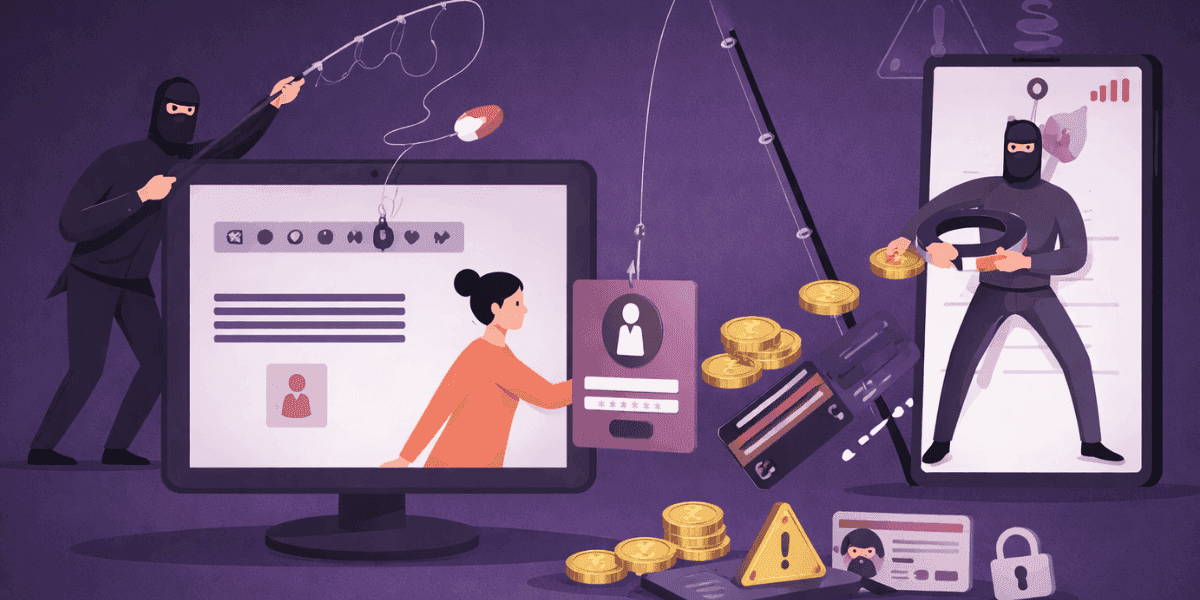
¿Puede la gente pescar gato en Onlyfans? Es una pregunta preocupante, ya que el fraude de identidad y la suplantación de identidad afectan tanto a los creadores como a los suscriptores de la plataforma. Si bien Onlyfans requiere verificación de identidad para los creadores, los pescadores decididos explotan las lagunas de verificación, utilizan identidades robadas o se hacen pasar por creadores reales a través de cuentas falsas. Comprender cómo funciona el catfishing, reconocer las señales de advertencia e implementar estrategias de protección ayuda tanto a los creadores a salvaguardar sus identidades como a los suscriptores a evitar ser víctimas de cuentas fraudulentas que roban dinero mediante engaños.
¿Cómo funciona el catfishing en Onlyfans?
Sí, la pesca con gato ocurre en Onlyfans:A pesar de los requisitos de verificación, los pescadores crean cuentas utilizando fotografías robadas, identidades falsas o suplantando a creadores reales. Los métodos comunes de pesca con gato incluyen:
Verificación de identidad robada:Los pescadores de gatos utilizan identificaciones y fotografías robadas para pasar la verificación de la plataforma, creando cuentas con identidades falsas.
Robo de contenido y suplantación de identidad:Los estafadores roban fotos y vídeos de creadores reales y crean cuentas falsas que se hacen pasar por creadores legítimos.
Colaboraciones falsas:Los pescadores afirman ser una persona durante la verificación, pero publican contenido de otra persona.
Cebo y cambio:Las cuentas se verifican con fotos reales, pero publican contenido de personas completamente diferentes después de ganar suscriptores.
Revisión más amplia pesca con gato en las redes sociales tácticas que se traducen en Onlyfans.
Verificación de Onlyfans y sus limitaciones
Onlyfans requiere que los creadores completen la verificación antes de publicar contenido o recibir pagos. El proceso implica:
- Presentación de identificación emitida por el gobierno
- Selfie sosteniendo una identificación junto a la cara
- Información bancaria que coincide con el nombre de identificación
Limitaciones de verificación:
Si bien la verificación confirma que el titular de la cuenta presentó una identificación válida, no garantiza:
- El contenido publicado pertenece a la persona verificada
- Fotos y videos protagonizados por el titular de la cuenta
- El creador no utiliza la identidad de otra persona
Onlyfans verifica la identidad para cumplir con los requisitos legales y financieros, pero no verifica que cada contenido coincida con la persona verificada. Esta brecha permite la pesca con gato cuando los estafadores verifican con identificaciones robadas o publican contenido de otras personas. Entender Procesos de verificación de Onlyfans y sus limitaciones.
Señales de bagre y cuentas falsas
Los suscriptores y creadores deben estar atentos a estos indicadores de bagre:
Contenido no coincidente:Las fotos y los videos muestran diferentes personas, apariencias inconsistentes o provienen claramente de múltiples fuentes.
Negativa a verificar:No proporcionará fotos de verificación personalizadas, videollamadas ni pruebas en tiempo real de que es la persona del contenido.
Detalles inconsistentes:Las historias, antecedentes o detalles personales cambian o contradicen declaraciones anteriores.
Sin contenido en vivo:Nunca publique transmisiones en vivo, videos en tiempo real o contenido con marca de tiempo que demuestre su identidad actual.
Tácticas de ventas agresivas:Impulsa compras inmediatas, desalienta las preguntas o crea urgencia para evitar la verificación.
¿Qué hacer si alguien aprovecha su identidad?
Marca de agua de todo el contenido:Agregue marcas de agua visibles con su nombre de usuario a todas las fotos y videos, haciendo obvio el robo y la reutilización.
Monitor de suplantación de identidad:Busque periódicamente su nombre, nombre de usuario y fotos en Onlyfans y otras plataformas para encontrar cuentas falsas que utilicen su identidad.
Implementar protección de contenido:Utilice servicios de protección profesionales que supervisen el robo de contenido y los intentos de suplantación de identidad.
Verificar solicitudes de suscriptores:Si los suscriptores mencionan haberte visto en otras plataformas o cuentas, investiga de inmediato.
Derechos de autor de su contenido:Comprenda su derechos de autor en Onlyfans emprender acciones legales contra los imitadores.
Alerte a su audiencia:Recuerde periódicamente a sus seguidores acerca de sus únicas cuentas oficiales y cómo verificar la autenticidad.
Responsabilidad de la plataforma y protección del suscriptor
Documentar la suplantación:Haga una captura de pantalla de la cuenta falsa, el contenido que están usando y cualquier comunicación antes de eliminar la evidencia.
Informar a Onlyfans:Presente informes de suplantación de identidad a través del soporte de Onlyfans con evidencia que demuestre que están usando su identidad.
Eliminaciones de DMCA:Presentar reclamaciones por infracción de derechos de autor por contenido robado. Más información sobre DMCA vs cese y desista opciones.
Asistencia profesional:Considere trabajar con servicios especializados en Eliminación de contenido de Onlyfans y derribos por suplantación de identidad.
Revisa qué hacer si estás pescando gato apuntando a ti.
¿Cómo verificar creadores auténticos de OnlyFans?
Verificar la autenticidad de un creador de Onlyfans requiere una investigación sistemática en todas las plataformas. La coherencia entre plataformas representa el indicador más sólido de que los creadores auténticos mantienen una marca, unas fotos y una actividad coherentes en Onlyfans, Instagram y Twitter.
Métodos de verificación:
- Búsqueda inversa de fotos de perfil en Google Imágenes o TinEye
- Consulte las cuentas de redes sociales para ver publicaciones recientes y participación genuina
- Solicitar contenido de verificación personalizado con detalles específicos
- Busque la insignia verificada de Onlyfans que confirme la verificación de identidad de la plataforma
- Examinar la calidad constante del contenido, los patrones de publicación y la participación de los suscriptores
Consecuencias legales de la pesca con gato en Onlyfans
La pesca con gato en Onlyfans conlleva graves consecuencias legales más allá de las violaciones de los términos de servicio, incluidos cargos penales, demandas civiles y sanciones financieras sustanciales.
La infracción de derechos de autor ocurre con cada foto o video robado que se carga. Cada pieza representa una infracción separada, lo que genera una responsabilidad por miles de dólares por obra infringida. Los fotógrafos y modelos profesionales emprenden cada vez más acciones legales a través deProcesos de eliminación de Onlyfans DMCAy cartas de cese y desistimiento.
| Legal Violation | Tipo | Posibles sanciones |
|---|---|---|
| Fraude electrónico (federal) | Criminal | Hasta 20 años de prisión, multas de hasta 250.000 dólares |
| Suplantación en línea | Penal (a nivel estatal) | 1 a 5 años de prisión, multas de entre 1000 y 10 000 dólares (varía según el estado) |
| Infracción de derechos de autor | Civil/Criminal | $750-$150,000 por obra infringida, más honorarios de abogados |
| Fraude y tergiversación | Civil | Devolución de todos los fondos obtenidos + daños + honorarios de abogados |
| Robo de Servicios | Criminal | Delito menor a delito grave dependiendo del monto, restitución |
Las consecuencias de la plataforma agravan los riesgos legales. Onlyfans prohíbe permanentemente las cuentas de bagre y coopera con las investigaciones policiales, proporcionando registros de pago, direcciones IP e información de cuentas bancarias que identifican a los perpetradores.
Sistemas de detección y prevención de plataformas
Onlyfan emplea múltiples sistemas de detección diseñados para identificar y prevenir la pesca con gato, aunque los estafadores decididos a veces evaden las salvaguardas iniciales.
La verificación de identidad requiere que todos los creadores presenten una identificación con fotografía y una selfie emitida por el gobierno antes de recibir pagos. La tecnología de reconocimiento facial compara las selfies de verificación con el contenido publicado, marcando cuentas donde la persona verificada no aparece en el contenido real.
Los equipos de revisión manual investigan las cuentas marcadas y los informes de suscriptores, examinan los perfiles sospechosos y toman decisiones finales de suspensión. Las insignias de verificación indican cuentas que completan una verificación adicional más allá del envío de identificación básica.
A pesar de estos sistemas, todavía surgen sofisticados relatos sobre el bagre. Onlyfans actualiza continuamente los algoritmos de detección, pero los estafadores adaptan sus tácticas. Los suscriptores deben permanecer atentos y reconocer los patrones de comportamiento fraudulento, mientras que los creadores deben realizar un seguimiento Análisis de cuentas de Onlyfans para detectar actividad no autorizada.
Qué hacer si te encuentras con un bagre
Descubrir que se ha suscrito a una cuenta de bagre es frustrante y potencialmente costoso, pero tomar medidas sistemáticas lo protege financieramente y ayuda a evitar que el bagre victimice a otros.
Reporte la cuenta a Onlyfans directamente a través de la función de reporte de la plataforma.Seleccione "Suplantación de identidad" o "Fraude" como tipo de infracción y proporcione una explicación detallada con su documentación.
Solicite un reembolso a través del soporte de Onlyfans.Póngase en contacto con el soporte inmediatamente explicando la situación y proporcionando evidencia de pesca con gato. Las políticas de Onlyfans varían en cuanto a reembolsos para cuentas fraudulentas, pero pueden reembolsar pagos de suscripciones recientes cuando se demuestra un fraude claro.
| Action Step | Prioridad | Resultado esperado | Línea de tiempo |
|---|---|---|---|
| Captura de pantalla de toda la evidencia | Inmediato | Documentación conservada para todas las acciones posteriores. | Hacerlo inmediatamente antes de informar |
| Reportar a Onlyfans | Inmediato | Investigación de cuenta, posible suspensión | Investigación 2-7 días |
| Solicitar reembolso de Onlyfans | Alto | Posible reembolso de cargos recientes | Respuesta en 3-10 días hábiles |
| Disputa cargo con banco/tarjeta | Medio | Devolución de cargo si Onlyfans niega el reembolso | 30-60 días para la resolución |
| Informe a la FTC (si tiene su sede en EE. UU.) | Medio | Contribuye al seguimiento de patrones de fraude. | No hay resultados directos para el individuo |
Protegerse como creador de la suplantación
Las cuentas Catfish que utilizan sus fotos dañan su reputación cuando los suscriptores descubren fraude, reducen las ganancias cuando las cuentas falsas compiten por su audiencia y crean complicaciones legales.
Marca de agua todo el contenido con tu nombre de usuario y marca.Coloque las marcas de agua en el centro, donde no se puedan recortar fácilmente, utilizando superposiciones semitransparentes que marquen claramente el contenido como suyo sin arruinar la estética.
Supervise periódicamente las cuentas de suplantación de identidad utilizando herramientas de búsqueda de imágenes inversas.Sube tus fotos promocionales a Google Images, TinEye y otros motores de búsqueda de imágenes inversas mensualmente para identificar usos no autorizados.
- Utilice poses o fondos únicos:Desarrollar elementos visuales característicos que sean más difíciles de replicar sin una copia obvia
- Publique marcas de tiempo actuales ocasionalmente:Incluya periódicos, fechas o eventos actuales en fotografías que demuestren que el contenido es reciente y original
- Interactúe con su comunidad:La interacción regular del suscriptor crea relaciones que las cuentas bagre no pueden replicar
- Mostrar insignias de verificación:Complete la verificación de Onlyfans y muestre las insignias de manera destacada
Tome medidas inmediatas cuando descubra cuentas de suplantación de identidad.Reportar cuentas de bagre a las plataformas donde aparecen (OnlyFans, Instagram, Twitter, etc.) mediante funciones de reporte de suplantación.Generar avisos DMCA profesionalespara hacer cumplir sus derechos de autor. Muchas plataformas responden rápidamente a las reclamaciones por infracción de derechos de autor presentadas por titulares de derechos verificados.
Futuro de la verificación de identidad en Onlyfans
La batalla en curso contra el catfishing en Onlyfans impulsa una evolución continua en la tecnología de verificación de identidad y las políticas de la plataforma. Comprender los métodos de verificación emergentes y los cambios anticipados ayuda a los creadores y suscriptores a prepararse para un futuro más seguro pero potencialmente más restrictivo para las plataformas de contenido.
Verificación de identidad basada en blockchainofrece soluciones prometedoras para la autenticación de creadores sin comprometer la privacidad. Los sistemas de identidad descentralizados podrían permitir a los creadores verificar su autenticidad en múltiples plataformas utilizando credenciales criptográficamente seguras sin enviar repetidamente documentos confidenciales.
| Emerging Technology | Línea de tiempo | Impacto en la privacidad | Eficacia contra la pesca del gato |
|---|---|---|---|
| Reconocimiento facial avanzado | Actualmente en implementación | Medio (requiere envío de datos biométricos más frecuente) | Muy alto (más del 90 % de detección de bagre) |
| Vídeo de detección de vida | 1-2 años | Medio-alto (envío de vídeo en tiempo real) | Muy alto (evita el fraude pregrabado) |
| Identidad de cadena de bloques | 3-5 años | Bajo (descentralizado, controlado por el usuario) | Alto (verificable criptográficamente) |
| Detección de deepfake por IA | Actualmente mejorando | Bajo (análisis automatizado) | Alto (identifica contenido sintético) |
| Servicios de verificación de terceros | Actualmente disponible | Alta (presentación de documentos a empresas externas) | Muy Alto (verificación profesional) |
¿Listo para proteger tu auténtica identidad de creador?Obtenga servicios integrales de monitoreo y eliminación con Enforcitypara detectar cuentas de suplantación de identidad que utilizan su contenido, eliminar copias no autorizadas y mantener su marca exclusiva en todas las plataformas.
Protege Tu Contenido
- Detección de filtraciones 24/7
- Eliminaciones DMCA automatizadas
- Protección específica para OnlyFans
- Alertas de monitoreo en tiempo real
Preguntas Frecuentes
¿No encontraste una respuesta?

Emily
Estratega de Contenido Digital
Emily es una especialista en protección de contenido digital con más de 5 años de experiencia ayudando a creadores a proteger su trabajo en línea. Se especializa en la aplicación de DMCA y estrategias de eliminación específicas de cada plataforma.
Protege Tu Contenido
- Detección de filtraciones 24/7
- Eliminaciones DMCA automatizadas
- Protección específica para OnlyFans
- Alertas de monitoreo en tiempo real
Artículos Relacionados
Usar un segundo teléfono desbloqueado para OnlyFans: por qué y cómo
Usar un segundo teléfono desbloqueado para OnlyFans separa el trabajo de creador de la vida personal. Aquí te explicamos cómo configurar uno, qué instalar y cómo mantenerlo seguro.
Leer Artículo
«Detected, opinion rejected» en OnlyFans: qué significa y cómo arreglarlo
«Detected, opinion rejected» en OnlyFans explicado: qué significa el mensaje, qué lo activa, cómo apelar y cómo evitar que el mismo contenido vuelva a marcarse.
Leer Artículo
Mejor servicio de protección de contenido online para creadores de OnlyFans
Mejor servicio de protección de contenido online para OnlyFans: qué mirar, funciones clave, modelos de precio y cómo elegir al partner anti-piratería adecuado en 2026.
Leer ArtículoRecursos Gratuitos

Protegiendo Tu Bienestar Mental
Esenciales de salud mental para creadores de contenido.

Manual Definitivo para Creadores de OnlyFans
Recurso completo para todos los aspectos del éxito en OnlyFans.

¿Cómo Proteger Tu Contenido 🌶️?
Cómo proteger tu contenido digital en múltiples plataformas.

¿Cómo Mantenerte Seguro como Creador?
Consejos esenciales de seguridad para creadores de contenido.

¿Qué Necesita Saber Todo Creador Sobre Sus Derechos?
Fundamentos legales y derechos para creadores.

¿Cómo Proteger Tu Creatividad?
Una guía imprescindible para creadores de OnlyFans.

Glosario para Creadores de Contenido
Términos clave que todo creador de contenido debe conocer.

Lista de Verificación de Seguridad de Contenido para Máximos Beneficios
Lista de verificación para asegurar contenido y optimizar ganancias.

¿Cómo Detener Filtraciones al Instante?
Protege tu trabajo, toma el control y prevén la distribución no autorizada en las plataformas al instante.