What to Do If You Are Doxed on OnlyFans
A step-by-step response guide for OnlyFans creators dealing with doxxing: from the first hour of containment to long-term identity hardening.
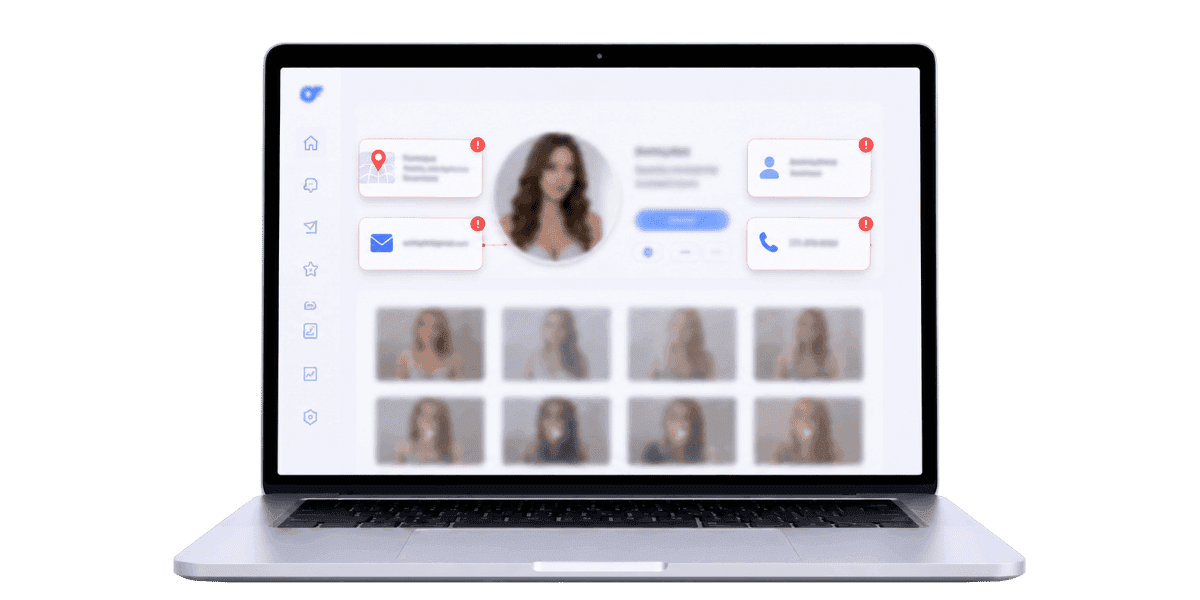
In this article
When an OnlyFans creator gets doxed, the first hours determine how far the damage spreads. Having your real name, address, phone number, or family details exposed publicly is one of the most serious incidents a creator can face, and the response needs to be fast and structured. This emergency playbook walks through the immediate triage steps, how to remove personal information from data brokers and search engines, how to involve law enforcement when threats escalate, how to protect family members from collateral exposure, and how to harden everything afterward so a second incident becomes much less likely.
The First Hour: Triage and Containment
When an OnlyFans creator is doxed, the information spreads exponentially in the first day. Containing the initial post and reducing reshare velocity are the highest-leverage actions in the first 60 minutes. Everything else can wait; these cannot.
Identify the Original Post and Report at the Source
Find the source where your information was first published: a tweet, a Reddit thread, a Telegram message, or a forum post. Save full screenshots with visible timestamps, URLs, and usernames before anything is deleted. This evidence is critical for law enforcement reports and platform escalations later. Once documented, use the platform's specific abuse flow: "Report" then "Privacy violation" or "Sharing personal information" or "Doxxing." X/Twitter, Reddit, Discord, and Telegram all have explicit no-doxxing policies and remove confirmed cases within hours when the report is clear and complete. Where your photos are involved alongside personal information, pair the privacy report with a formal Twitter DMCA or Reddit DMCA notice.
Notify People Who Can Help Immediately
Alert trusted friends, your agency or manager, and any platform contacts you have. They can help report at scale, monitor for re-uploads, and shield your DMs while you focus on takedowns. A coordinated reporting effort from multiple accounts moves faster through platform queues than a single report from the affected creator.
Lock Down Your Accounts and Identity
Doxxing rarely stays read-only. Attackers often follow up with account takeover attempts, social engineering against family members, and coordinated harassment campaigns. Locking accounts down is the second priority after containing the original post.
Secure Logins, 2FA, and Phone Number
Rotate passwords on OnlyFans, email, banking, social accounts, and cloud storage immediately. Switch any SMS-based 2FA to an authenticator app or hardware key; SMS 2FA is vulnerable to the SIM swap attacks that frequently follow doxxing incidents. The OnlyFans cybersecurity practices worth implementing alongside this include dedicated creator credentials that are never shared with personal accounts. Call your mobile carrier and add a port-out PIN or freeze SIM changes. Many doxxing incidents are followed by SIM swap attempts specifically to intercept 2FA codes. Consider migrating the exposed number to a Google Voice or eSIM dedicated to creator work so your personal number is no longer the recovery path for any account.
Freeze Credit and Monitor Identity
Place a free credit freeze with Equifax, Experian, and TransUnion in the US, or equivalent agencies in your country. Sign up for identity monitoring; many premium card programs include this at no additional cost. Doxxes that include a Social Security number or date of birth frequently precede identity theft attempts, and a credit freeze is the most effective single action to block new account fraud.
Remove Your Information from Data Brokers and Public Records
Doxxers usually pull from data broker sites that aggregate public records. Removing those listings reduces the doxxer's raw material and the searchability of your real identity going forward.
Major Brokers and Removal Services
Whitepages, BeenVerified, Spokeo, Radaris, Intelius, MyLife, and PeopleFinder are the highest-impact targets. Each has an opt-out form, and removal typically takes 24 to 72 hours. For scale, services like DeleteMe, Optery, and Kanary submit opt-outs across 100 or more brokers and re-run them periodically because listings frequently return after removal. The cost is modest relative to the protection delivered, especially for creators with public-facing identities. Doing this manually for the top 10 sites takes a few hours; a removal service handles the long tail automatically.
Address Public Records Where Possible
Some jurisdictions allow voter registration, property records, and business filings to be redacted for safety reasons through address confidentiality programs or VAWA protections in the US. Your local government's victim services office can guide the application process. This step is slower than broker removal but has longer-term impact because public records are one of the primary sources data brokers use to repopulate removed listings.
Search Engine De-Indexing
Removing the source post is necessary but not sufficient. Cached search engine results can still surface your personal information for weeks after the original post is gone. De-indexing accelerates the cleanup and cuts off discovery for anyone who searches your name after the original post has been removed.
Google, Bing, and Cache Clearing
Google offers a removal tool specifically for personally identifiable information being used to dox or harass. Submit each URL where your address, phone number, or ID appears. Any photos or copyrighted content appearing alongside your personal information can be handled through Google's separate DMCA removal process. Bing has a parallel personal info removal flow, and Bing DMCA process covers image removal on Microsoft's index. Smaller engines like DuckDuckGo and Brave Search typically follow Google's index, so cleaning Google flows through to them within a few days. After original removal, request cache clearing via Google Search Console for any URLs that were yours. Even when the underlying page is gone, rich snippets in search results can linger for weeks without manual cache clearing.
Involve Law Enforcement When Threats Are Present
Doxxing combined with threats of violence, sexual coercion, or harassment of family members crosses into criminal territory in most jurisdictions. Bringing in law enforcement is the right move even when you are uncertain they will act, because the documentation itself has value.
Local Police, Federal Resources, and Legal Action
File a report at your local police station in person if possible. Bring your full evidence bundle: screenshots with timestamps, URLs, and any threat messages. Even when local police cannot act directly because of jurisdiction issues with an online perpetrator, the case number is useful for credit freezes, restraining orders, and platform escalations. In the US, file simultaneously at ic3.gov, the Internet Crime Complaint Center. For cyberstalking and credible threats, federal agencies have significantly more resources and jurisdiction than local police. If the doxxer is identifiable, a civil restraining order or injunction may also be available depending on your jurisdiction. A lawyer specializing in cyber-harassment can advise on options; many take initial consultations free of charge for cases involving image-based abuse or targeted harassment.
Protect Family and Real-World Safety
Doxxes frequently include family members' names, photos, or addresses. Their safety is part of the response, and they may not yet know they have been exposed.
Warn Contacts and Adjust Physical Safety
Tell anyone whose information was included exactly what happened, what to expect (calls, emails, possibly pranks or in-person disturbances), and how to respond. Phrase it factually and without panic; they need information, not anxiety. If your home address was exposed alongside credible threats, consider temporary relocation to a friend's house or a short-term rental while the situation stabilizes. Inform local police so they can patrol the area. Schools, daycares, and family healthcare providers should be notified if children are part of the doxxed information; many institutions can place an alert on contact records to flag unusual pickup or visit attempts. Install or upgrade home security if budget allows, and document any in-person incidents immediately.
Long-Term Hardening After a Dox
Once the immediate crisis is contained, the hardening phase determines whether you become a perpetual target or a difficult one. Sustained operational discipline pays off for years.
Identity Separation, Monitoring, and Mental Health
Identity defense process covers the separation steps in detail: creator-only email, phone number, and shipping address that never connect back to your legal name. Audit your social media for any cross-contamination of personal life into creator content, and remove anything that connects your creator identity to your legal name, location, or family members. Understanding how OnlyFans handles your identity at the platform level helps identify which gaps need to be closed on your end. Set standing alerts for your real name, address, and known doxxer aliases so re-uploads are caught within hours rather than days. A brand protection platform that monitors continuously handles both content and identity monitoring in one workflow. Doxxing is genuinely traumatic. Working with a therapist familiar with online harassment, leaning on peer creator communities, and respecting your own recovery timeline is part of a healthy response. The operational hardening matters; so does the personal recovery, and one should not be treated as more important than the other.
Move Fast and Lock Everything Down
When an OnlyFans creator is doxed, recovery is possible but it requires speed, structure, and follow-through across several parallel workstreams. The keys are containment in the first hour, systematic data broker and search engine cleanup in the first week, real law enforcement involvement when threats are present, and disciplined identity hardening afterward. Most creators who follow the full sequence find that the original dox loses visibility within a month and that follow-on incidents become significantly rarer.
Treat the experience as a forcing function for permanently stronger operational security. Many creators emerge from a doxxing incident with cleaner identity separation, better credentials hygiene, and a clearer sense of what they are and are not willing to share publicly. The hardening work that the incident forces is the same work that makes a repeat far less likely.
Ready to protect your valuable content? Start protecting your content with Enforcity.
Protect Your Content
- 24/7 leak detection
- Automated DMCA takedowns
- OnlyFans-specific protection
- Real-time monitoring alerts
Frequently Asked Questions
Couldn't find an answer?

Emily
Digital Content Strategist
Emily is a digital content protection specialist with over 5 years of experience helping creators safeguard their work online. She specializes in DMCA enforcement and platform-specific takedown strategies.
Protect Your Content
- 24/7 leak detection
- Automated DMCA takedowns
- OnlyFans-specific protection
- Real-time monitoring alerts
Related Articles
How to Withdraw Money from OnlyFans: A Human-Friendly Guide for Creators
Learn how to withdraw money from OnlyFans with this complete guide. Discover payout options, processing times, common issues, and how to keep your earnings secure.
Read Post
Wheelchair OnlyFans Success Guide
Discover how disabled creators thrive on OnlyFans, breaking stereotypes, inspiring communities, and promoting inclusivity. Learn Wheelchair OnlyFans niche details.
Read Post
What You Need to Know Before Starting OnlyFans: Essential Tips and Strategies
Thinking about joining OnlyFans? Discover What You Need to Know Before Starting OnlyFans? Essential tips, strategies, and insights to maximize your success, protect your content, and grow your fanbase effectively. Start your journey with confidence!
Read PostFree Resources
Protecting Your Mental Wellness
Mental health essentials for content creators.

Ultimate Handbook for OnlyFans Creators
Comprehensive resource for all aspects of OnlyFans success.

How to Safeguard Your 🌶️ Content?
How to safeguard your digital content across multiple platforms.
How to Stay Safe as a Creator?
Essential safety tips for content creators.

What Every Creator Needs to Know About Their Rights?
Legal basics and rights for creators.

How to Protect Your Creativity?
A must-have guide for OnlyFans creators.

Glossary for Content Creators
Key terms every content creator should know.

Content Security Checklist for Maximum Profit
Checklist for securing content and optimizing earnings.

How to Stop Leaks Instantly?
Protect your work, take control, and prevent unauthorized sharing across platforms instantly.