Is OnlyFans Illegal? Legal Facts Every Creator Must Know
Is OnlyFans illegal? This is one of the most common questions aspiring creators ask before joining the platform, and the straightforward answer is no — OnlyFans is a completely legal subscription-based content platform.
In this article
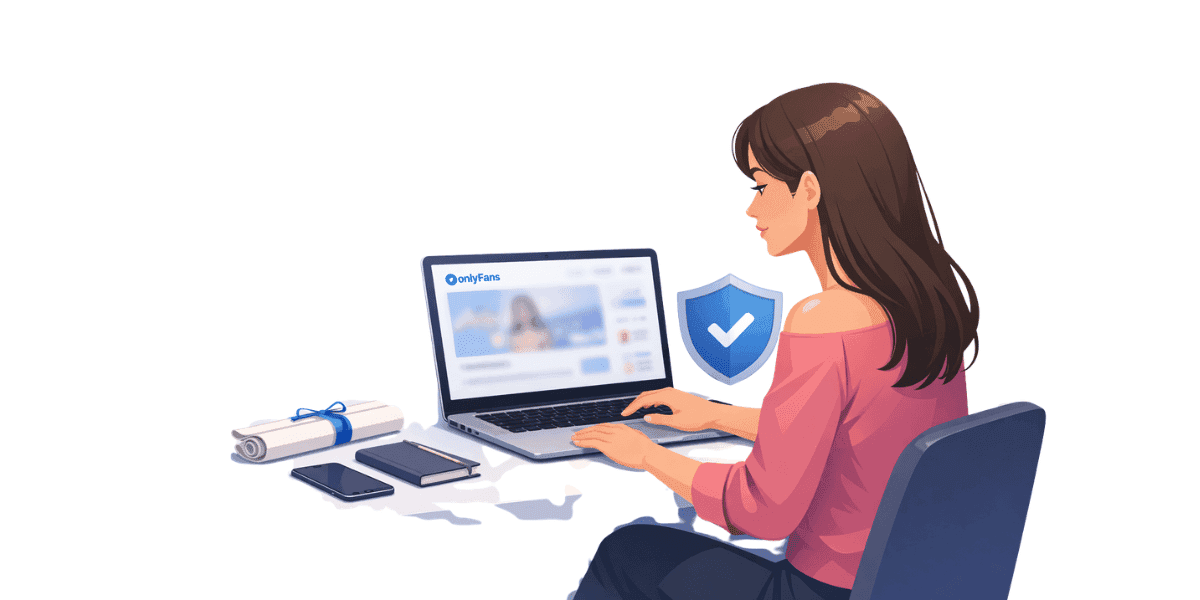
Is OnlyFans illegal? This is one of the most common questions aspiring creators ask before joining the platform. The straightforward answer is no — OnlyFans is a completely legal, subscription-based content platform that operates as a registered business. Founded in 2016 and headquartered in London, the platform has grown to serve over 200 million registered users and more than 3 million creators globally. While the platform itself is legal, creators must be aware of their individual legal responsibilities, including tax compliance, content regulations, and local laws that may affect how they use the platform. This guide breaks down everything you need to know about the legality of OnlyFans and how to protect yourself as a creator.
Is OnlyFans Legal? Understanding the Platform's Legal Status
How OnlyFans Operates as a Legal Business?
OnlyFans is owned and operated by Fenix International Limited, a company registered in England and Wales. The platform functions as a legitimate marketplace where creators can monetize their content through subscriptions, tips, and pay-per-view messages. Like other social media and content platforms, OnlyFans complies with local and international regulations governing online businesses, payment processing, and digital content distribution.
The platform generates revenue by taking a 20% commission from creator earnings, which is standard practice in the creator economy. OnlyFans processes payments through regulated financial institutions and adheres to anti-money laundering (AML) and know-your-customer (KYC) requirements.
Countries Where OnlyFans May Be Restricted
While OnlyFans is legal in the vast majority of countries, some nations impose restrictions on adult content platforms or online payment processing that may affect access. Countries with strict internet censorship laws, such as China, Iran, and North Korea, generally block access to platforms like OnlyFans. In other regions, local obscenity laws or cultural regulations may create gray areas for creators.
It is essential for creators to research the specific laws in their country or state before creating content. What is legal in one jurisdiction may be restricted or regulated differently in another. For example, some US states have introduced legislation targeting adult content platforms, though OnlyFans itself remains legal throughout the United States.
Platform Compliance and Regulations
OnlyFans invests heavily in compliance measures to maintain its legal standing. The platform employs age verification technology, content moderation systems, and identity verification processes to ensure that all users and creators meet legal requirements. These measures help OnlyFans comply with laws such as the UK Online Safety Act and various international digital safety regulations.
OnlyFans Terms of Service and Legal Requirements
Age Verification and Identity Checks
One of the most important legal aspects of OnlyFans is its strict age verification process. All creators must be at least 18 years old, and the platform requires government-issued photo identification before any account can begin posting content. This is not just a platform policy — it is a legal requirement in most jurisdictions to prevent minors from participating in adult content creation. Understanding how OnlyFans verifies creators is the first step toward ensuring your account is set up correctly.
Content Policies and Restrictions
While OnlyFans permits a wide range of content, there are strict rules about what is and is not allowed. Violating these policies can result in immediate account termination and potential legal consequences. Key prohibited categories include:
- Content involving anyone under 18 years of age
- Non-consensual sexual content or revenge porn
- Content depicting weapons or illegal substances
- Content promoting violence or self-harm
- Content that infringes on third-party intellectual property rights
Creators should familiarize themselves with the full OnlyFans terms of service to understand exactly what content is permitted. The platform regularly updates its policies, so staying informed about changes is essential for maintaining compliance.
Creator Responsibilities Under the Terms
By agreeing to the OnlyFans terms, creators take on several legal responsibilities. These include ensuring all content they upload is original or properly licensed, that all individuals appearing in their content have given explicit consent, and that their content complies with applicable laws. Creators are also responsible for accurately representing themselves and their content to subscribers.
Failure to meet these responsibilities can expose creators to legal liability beyond just losing their OnlyFans account. Copyright infringement, privacy violations, and fraud can all carry serious legal penalties depending on the jurisdiction.
Tax Obligations for OnlyFans Creators
Reporting Income in the United States
One area where many creators get into legal trouble is taxes. Income earned through OnlyFans is taxable in virtually every country, and failing to report it can lead to serious legal consequences including fines, penalties, and even criminal charges for tax evasion. In the United States, OnlyFans creators are classified as self-employed independent contractors, which means they are responsible for reporting all earnings to the Internal Revenue Service (IRS).
If you earn more than $600 in a calendar year, OnlyFans will issue an OnlyFans 1099 form documenting your income. However, even if you earn less than this threshold, you are still legally required to report the income on your tax return. Many creators also need to make quarterly estimated tax payments to avoid underpayment penalties.
International Tax Considerations
Creators outside the United States face their own tax obligations based on local laws. In the United Kingdom, OnlyFans income must be reported to HMRC, and creators may need to register as self-employed or form a limited company. In Canada, Australia, and the European Union, similar self-employment tax rules apply. Some countries also require creators to collect and remit value-added tax (VAT) or goods and services tax (GST) on their earnings.
For a deeper understanding of your OnlyFans tax responsibilities, it is highly recommended to consult with a tax professional who understands the creator economy.
Keeping Records and Filing Correctly
Proper record-keeping is essential for legal compliance. Creators should track all income, expenses, and deductions related to their OnlyFans business. This includes equipment purchases, internet costs, marketing expenses, and any other business-related spending. Maintaining organized records not only helps with accurate tax filing but also provides protection in case of an audit. Filing your OnlyFans W9 form correctly when setting up your account ensures that your tax information is properly recorded from the start.
Copyright and Intellectual Property on OnlyFans
Who Owns the Content You Create?
A common legal misconception is that OnlyFans owns the content creators upload to the platform. This is not the case. When it comes to copyright on OnlyFans, creators retain full ownership of their original content. When you upload photos, videos, or other media to OnlyFans, you grant the platform a license to host and distribute that content to your subscribers, but the intellectual property rights remain with you as the creator.
This distinction is important because it means you have the legal right to control how your content is used, shared, and distributed — both on and off the platform.
How Copyright Law Protects Creators
Copyright protection is automatic in most countries the moment you create an original work. You do not need to file any paperwork for basic copyright protection to apply. However, formally choosing to register your copyright provides additional legal benefits, including the ability to seek statutory damages in court and stronger evidence of ownership in disputes.
Copyright law gives you the exclusive right to reproduce, distribute, display, and create derivative works from your original content. Anyone who copies, shares, or redistributes your OnlyFans content without permission is committing copyright infringement, which is a violation of both civil and criminal law.
Dealing with Content Theft and Piracy
Unfortunately, content theft is a widespread issue on OnlyFans. Subscribers may screenshot, screen-record, or download content and share it on piracy sites, social media, or messaging platforms. While this is illegal under copyright law, enforcement can be challenging without the right tools and knowledge.
Using a professional DMCA takedown service is one of the most effective ways to combat content theft. DMCA takedown notices are legal requests that require websites and platforms to remove infringing content. Learning how to protect your OnlyFans content proactively can save you significant time, money, and stress in the long run.
Privacy and Identity Protection for Creators
What Personal Information Does OnlyFans Require?
OnlyFans requires creators to provide personal information for verification and tax purposes, including a government-issued ID, a selfie for identity confirmation, and banking details for payouts. This information is stored securely and is not publicly visible on your profile. However, creators should understand exactly what data the platform collects and how it is used.
Many aspiring creators worry about whether OnlyFans protects your identity from subscribers and the general public. The platform does have privacy measures in place, but creators should take additional steps to protect their personal information.
Staying Anonymous as a Creator
While OnlyFans requires your real identity for verification, your public profile can use a stage name or alias. Many successful creators maintain complete anonymity by using a separate email address, avoiding showing their face in content, and being careful about what identifying details appear in their photos and videos. Using a separate phone number and social media accounts for your creator business adds an additional layer of protection.
It is worth noting that complete anonymity can be difficult to maintain over time, especially as your audience grows. Having a plan for potential exposure is an important part of any creator's risk management strategy.
Protecting Yourself from Doxxing and Harassment
Doxxing — the act of publicly revealing someone's personal information — is a real concern for OnlyFans creators. While doxxing is illegal in many jurisdictions, it still occurs. Creators can protect themselves by never sharing personal details with subscribers, using a VPN when accessing OnlyFans-related accounts, and securing their social media profiles.
If you experience doxxing or harassment, document everything and report it to both the platform and local law enforcement. In many cases, doxxing can be prosecuted under harassment, stalking, or privacy laws depending on your location. Building a legal support network, including a lawyer familiar with digital content creation, can provide crucial protection.
How to Stay Legally Compliant as an OnlyFans Creator
Setting Up Your Account the Right Way
Starting your OnlyFans career on the right legal footing is essential. Before creating your account, make sure you understand what you need to know before starting OnlyFans. This includes having valid identification, understanding the platform's rules, and setting up proper financial tracking from day one. Many legal issues arise from poor planning rather than intentional violations.
Consider consulting with a lawyer or accountant before you start earning to ensure you have the right business structure in place. Some creators benefit from forming an LLC or limited company to separate their personal and business finances, which can provide additional legal protection.
Understanding Local Laws and Regulations
Laws governing online content creation vary significantly by jurisdiction. In some areas, specific types of content may require additional permits or age verification records. In the United States, for example, creators of adult content must comply with 18 U.S.C. § 2257, which requires maintaining records proving that all individuals appearing in content are of legal age. Familiarizing yourself with resources from the U.S. Copyright Office can help you understand the legal framework surrounding your content.
State and local regulations may also apply. Some jurisdictions have specific rules about home-based businesses, content creation, or online commerce that could affect your OnlyFans operations. When in doubt, seek legal advice specific to your location.
Building a Sustainable and Legal Career
The most successful OnlyFans creators treat their accounts as legitimate businesses. This means complying with all applicable laws, maintaining proper records, paying taxes on time, and understanding how much OnlyFans takes from creators so you can plan your finances accordingly. It also means protecting your content from theft using professional OnlyFans content protection services and staying informed about changes to platform policies and relevant laws.
By approaching your OnlyFans career with a clear understanding of the legal landscape, you can focus on creating great content and growing your subscriber base without worrying about legal pitfalls. The platform provides a legitimate opportunity for millions of creators worldwide — the key is to use it responsibly and legally.
Final Thoughts: Is OnlyFans Illegal?
OnlyFans is a legal platform that provides creators with a legitimate opportunity to monetize their content and build sustainable careers. The platform itself is not illegal in any major market, and millions of creators use it successfully every day. However, legality comes with responsibility. Creators must comply with the platform's terms of service, report their income and pay taxes, respect copyright and privacy laws, and stay informed about regulations in their specific jurisdiction.
To stay on the right side of the law as an OnlyFans creator, remember these key points:
- OnlyFans is a legal, registered business — using the platform is not illegal
- All creators must pass age and identity verification
- Income from OnlyFans must be reported and taxed
- Your content is protected by copyright law
- You are responsible for following local laws and platform policies
- Protecting your privacy and content requires proactive measures
Ready to protect your OnlyFans content from theft and piracy? Start safeguarding your income with Enforcity and take control of your digital rights today.
Protect Your Content
- 24/7 leak detection
- Automated DMCA takedowns
- OnlyFans-specific protection
- Real-time monitoring alerts
Frequently Asked Questions
Couldn't find an answer?

Emily
Digital Content Strategist
Emily is a digital content protection specialist with over 5 years of experience helping creators safeguard their work online. She specializes in DMCA enforcement and platform-specific takedown strategies.
Protect Your Content
- 24/7 leak detection
- Automated DMCA takedowns
- OnlyFans-specific protection
- Real-time monitoring alerts
Related Articles
How to Withdraw Money from OnlyFans: A Human-Friendly Guide for Creators
Learn how to withdraw money from OnlyFans with this complete guide. Discover payout options, processing times, common issues, and how to keep your earnings secure.
Read Post
Wheelchair OnlyFans Success Guide
Discover how disabled creators thrive on OnlyFans, breaking stereotypes, inspiring communities, and promoting inclusivity. Learn Wheelchair OnlyFans niche details.
Read Post
What You Need to Know Before Starting OnlyFans: Essential Tips and Strategies
Thinking about joining OnlyFans? Discover What You Need to Know Before Starting OnlyFans? Essential tips, strategies, and insights to maximize your success, protect your content, and grow your fanbase effectively. Start your journey with confidence!
Read PostFree Resources
Protecting Your Mental Wellness
Mental health essentials for content creators.
Ultimate Handbook for OnlyFans Creators
Comprehensive resource for all aspects of OnlyFans success.
How to Safeguard Your 🌶️ Content?
How to safeguard your digital content across multiple platforms.
How to Stay Safe as a Creator?
Essential safety tips for content creators.
What Every Creator Needs to Know About Their Rights?
Legal basics and rights for creators.
How to Protect Your Creativity?
A must-have guide for OnlyFans creators.

Glossary for Content Creators
Key terms every content creator should know.
Content Security Checklist for Maximum Profit
Checklist for securing content and optimizing earnings.
How to Stop Leaks Instantly?
Protect your work, take control, and prevent unauthorized sharing across platforms instantly.